
Picture this: you walk into a room and pause, trying to remember why you’re there. It used to be rare, but now it feels familiar. Maybe it’s the kitchen, maybe a friend’s name, maybe a word just on the tip of your tongue. I’ve been there, and believe me, it’s not a sign to hang up your boots. In fact, I’ve learned that what you eat can help you get back on the horse—your mind sharper than you thought possible. This guide isn’t hype or high promises. It’s the real story on the best brain foods to improve memory, especially if you, like me, want to squeeze the lemon on life for as long as you can.
Why the Right Brain Foods Matter for Memory and Brain Health
-
What happens in the brain as we age: realistic expectations
Aging in the brain isn’t a movie where things fall apart all at once. The truth is, the brain naturally changes—processing slows, and new memories don’t come as easily as they did at thirty. You might notice it in conversations, moments of forgetfulness, or needing more time to recall names. But here’s the hopeful part: our brains keep learning, growing new connections, and staying “in the game” if we feed them right. The best brain foods to improve memory can give these natural changes a better direction, not stop the clock, but slow it gently and help you stay steady.

-
How small changes in diet improve memory and brain function
I used to think diet changes had to be big: a brand new meal plan, a complex supplement kit, or some “superfood” nobody really enjoys. The reality? Even minor tweaks—swapping white bread for whole grains, adding a handful of spinach, or tossing a few walnuts on your salad—can support brain health and memory. In my own kitchen, it was these small steady acts that made me feel clearer and less foggy. You don’t need perfect meals, just real, consistent ones.
-
The link between nutrition, brain health, and daily life
I had no idea how much what we eat shapes how we feel every day. A breakfast with berries and nuts leaves me better able to finish a crossword or remember appointments. Good food sets a kind of rhythm in the brain—keeps blood flowing, calms inflammation, and fights the “wear and tear” that leads to cognitive decline. That’s not wishful thinking, it’s just what the research and my lived experience show. These best brain foods to improve memory can fit with real, practical life for any middle-aged and senior citizens willing to nudge their habits.
“I had no idea how much what I ate affected my thinking until I changed it myself. My energy and focus didn’t just hold steady—they improved. ”
What You’ll Learn About the Best Brain Foods to Improve Memory
How to spot the best brain foods and what science really shows
Simple, honest answers about memory, dementia, and real-world eating
Foods and habits to help you stay in the game—without the hype
How Best Brain Foods to Improve Memory Work in the Brain
-
The building blocks of memory: nutrients your brain needs
You wouldn’t build a house with rotting wood, and your brain rebuilds itself every day from the food you give it. Nutrients like omega-3 fatty acids (from fish and nuts), antioxidants (from berries, leafy greens, and dark chocolate), and key minerals (like magnesium and vitamin E) are truly the building blocks. They support the brain cells that handle memory and attention, so a diet rich in these keeps those cells firing and connecting longer.

-
Fatty acids and brain function: what happens when you eat certain fats
When I started swapping out butter and processed oils for salmon and walnuts, I’d read that healthy fats do more than give energy—they form the very structure of brain cells. Omega-3s, in particular, help protect your brain from damage and improve blood flow to crucial memory areas. I had no idea until I stuck with it for a few weeks how much sharper I felt; it’s like smoothing out fuzzy radio signals.
-
Antioxidants and brain heal: fighting back against wear and tear
Every day, the brain takes little “hits” from stress, poor diet, and aging—this is where free radicals damage cells. Antioxidants are the “shield,” handed out by berries, leafy greens, and even a bit of dark chocolate. They slow the slow: they help our brain heal, warding off the subtle slide into forgetfulness and confusion. I had no idea until now how straightforward it is to get these from everyday food.
Fatty Fish and Fatty Acids: The Star Players for Brain Health
Why fatty fish are among the best brain foods to improve memory
-
Omega-3 fatty acids: what they are, what they do, where they live
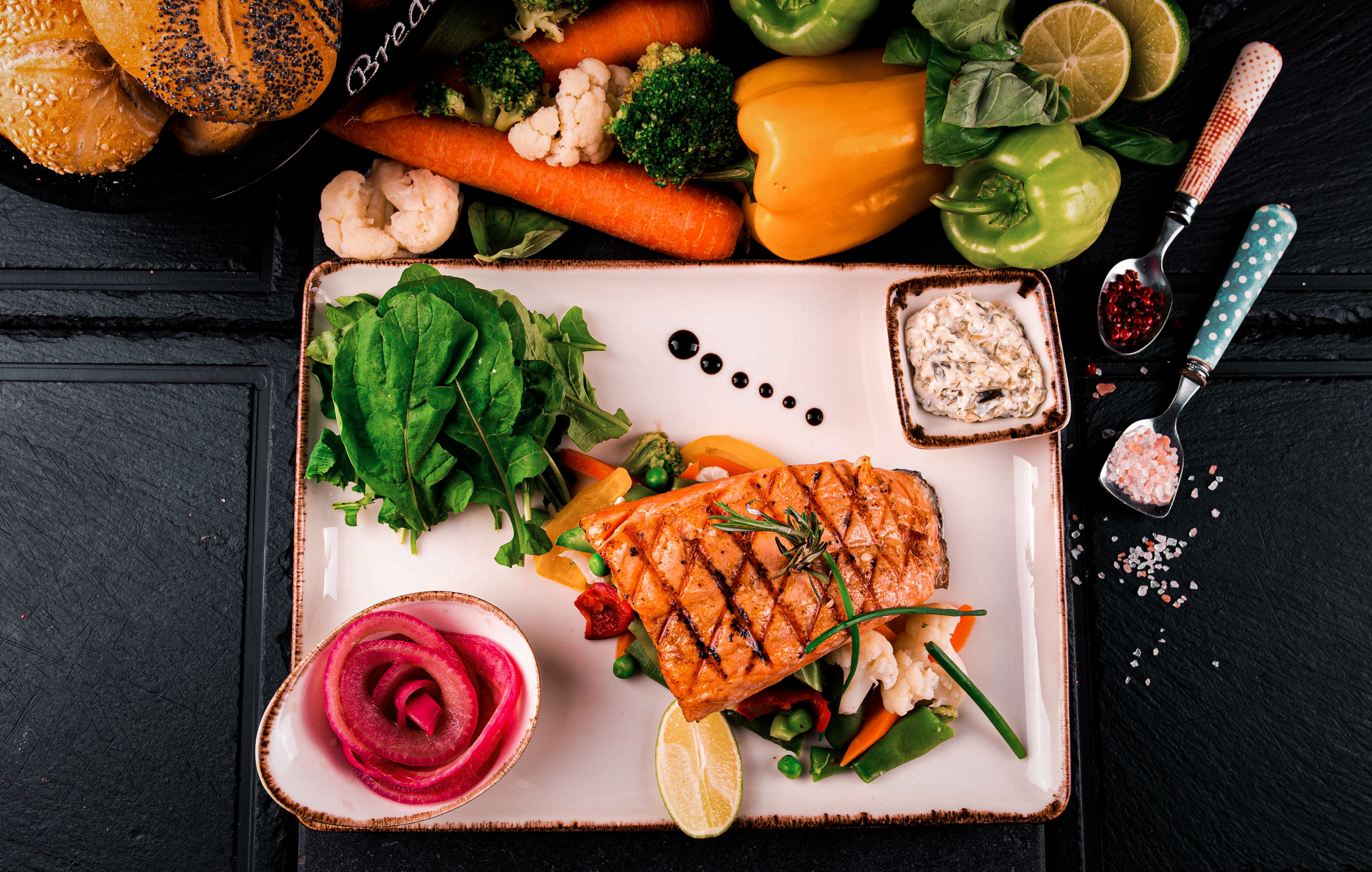
Omega-3s are healthy fats the body can’t make on its own—think of them as brain grease, keeping everything running smoothly. The most helpful kinds (DHA and EPA) are found mostly in fatty fish like salmon, sardines, and mackerel. These fats build brain cell membranes, support quick communication, and even help clear waste that piles up as we age. Aiming for fish two to three times a week can offer all the brain support you need.
-
How salmon, sardines, and mackerel support brain health
I had no idea until my doctor explained: the fats in fish are so much more than energy—they’re building material for our memory. These types of fish also have vitamin D and B vitamins; together with omega-3s, they lower inflammation and improve cognitive function (thinking, focus, and recall). I add canned sardines to salads or make a simple salmon dinner—it’s doable, satisfying, and gentle on most stomachs. No “superfood” label needed, just reliable nutrition.
I had no idea until my doctor explained, the fats in fish are so much more than energy—they’re building material for our memory.
Leafy Greens: Everyday Vegetables for Long-Term Brain Function
What makes leafy green vegetables brain food
-
Vitamins and minerals that impact memory
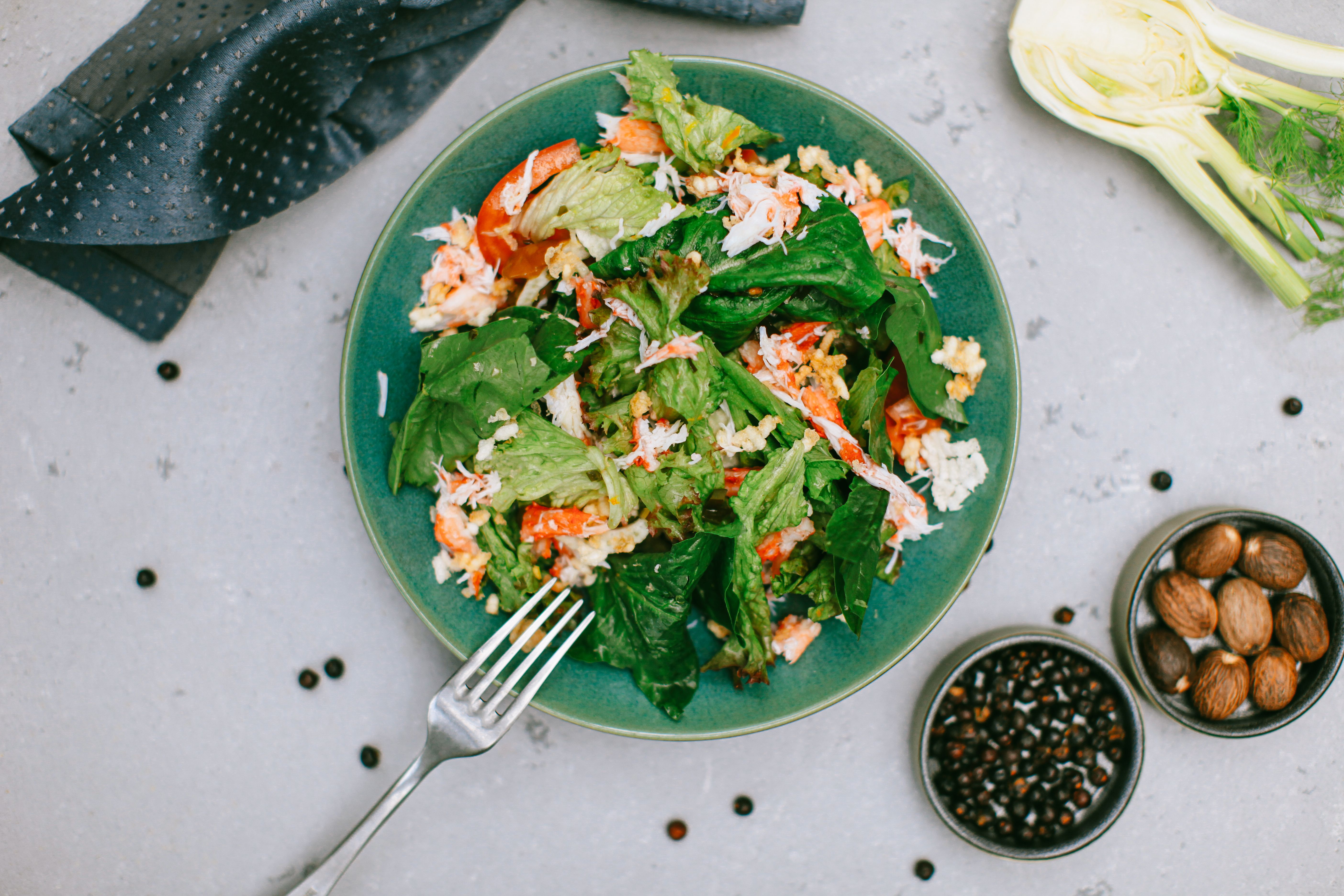
Spinach, kale, and collard greens pack a powerful punch for memory, thanks to their rich supply of vitamins (like K, C, and some Bs), folate, and minerals naturally high in antioxidants. These nutrients fight free radicals and may slow the “rusting” process in brain cells. They also support blood flow and new cell growth, which is why research keeps pointing to leafy greens as anchor foods for brain health.
-
Spinach, kale, and collards: easy ways to get more
I had no idea until I tried, that leafy greens slip so easily into everyday eating. Toss a handful of spinach into scrambled eggs, blend a little kale into a smoothie, sauté collards with garlic, or just enjoy a big salad each day. They’re cheap, forgiving, and widely available—for middle-aged and senior citizens, that means one less excuse to put a little green on your plate every day.
Dark Chocolate and Berries: Sweet Foods That REALLY Help Brain Heal
How antioxidants in dark chocolate and berries support brain heal
-
Flavanols, anthocyanins, and their effect on the aging brain
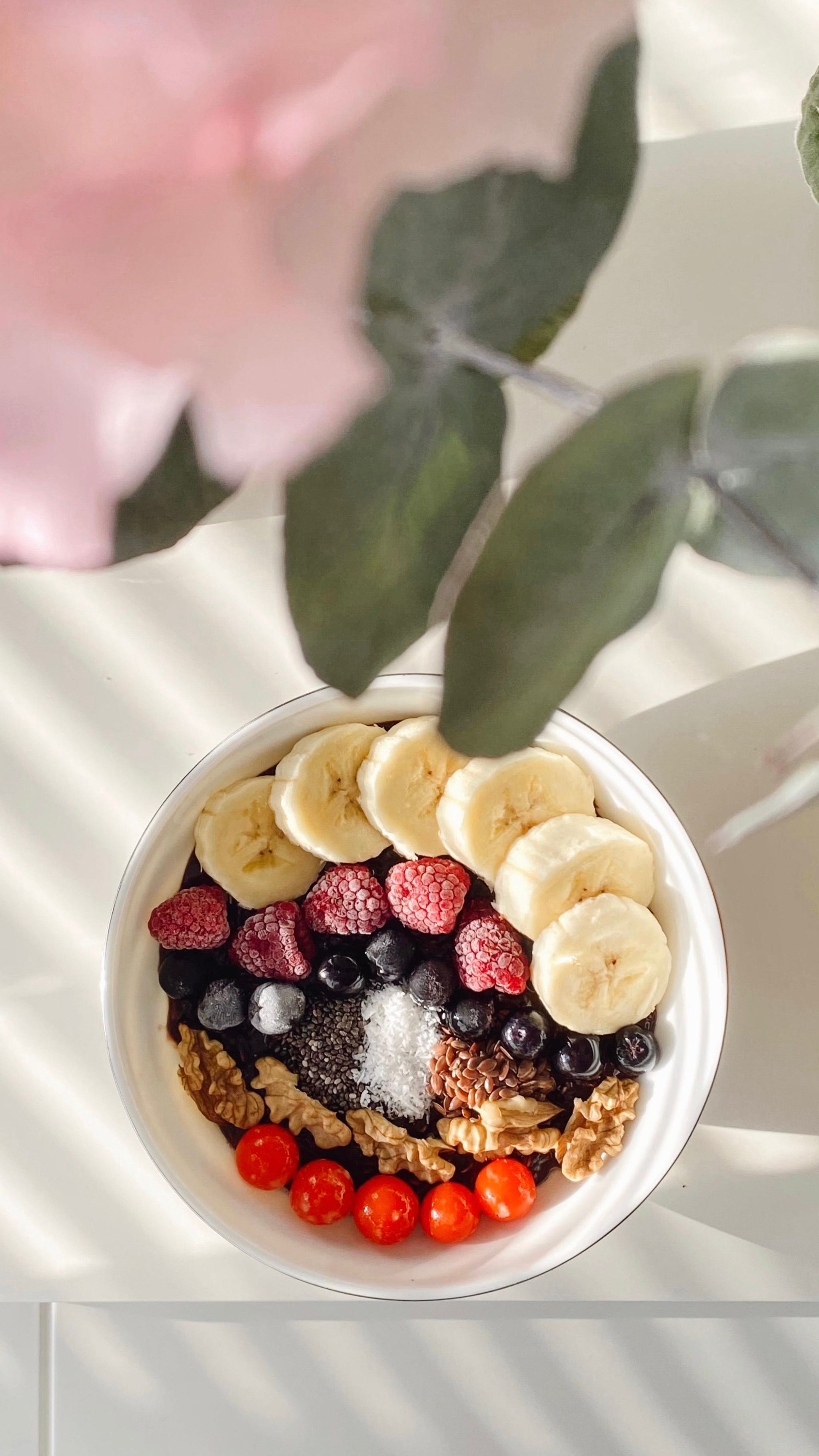
What in the world was keeping me from eating blueberries every morning? Taste, habit, or just my own routine? Berries are loaded with anthocyanins—a type of antioxidant that helps “scrub out” free radicals as the brain ages, supporting sharper memory and improved communication between brain cells. Flavanols in dark chocolate, meanwhile, improve blood flow and can actually help attention and mood. Honest to goodness, a small square of dark chocolate and a handful of berries can deliver real benefits without feeling like a chore.
-
How much chocolate and which berries matter most
Aim for dark chocolate with at least 70 percent cocoa—just a little (an ounce or two) to keep sugar down. For berries, blueberries, strawberries, blackberries, and raspberries are all rich in brain-healthy antioxidants. I keep frozen berries in the freezer and nibble on a bit of chocolate after dinner. These “sweet treats” actually help brain heal when eaten with care, not just as desserts.
Balancing dark chocolate with sugar awareness
It’s easy to overdo sugar, but when we focus on the cocoa content in dark chocolate and pair it with real berries (not jams or syrups), we give the brain what it needs without sparking a sugar crash. I keep a rule of thumb: chocolate as a treat, not a habit, and berries as a daily snack or breakfast addition. This way, you get the antioxidant “shield” with minimal risk of blood sugar swings that mess with mood and memory. Sugar awareness doesn’t mean missing out, just being honest about how much is enough.
What in the world was keeping me from eating blueberries every morning? Taste, habit, or just my own routine?
Nuts, Seeds, and Fatty Acids: Simple Snacks for Brain Function
Why walnuts, almonds, and sunflower seeds are best brain foods to improve memory
-
Healthy fatty acids, vitamin E, and their role in brain function
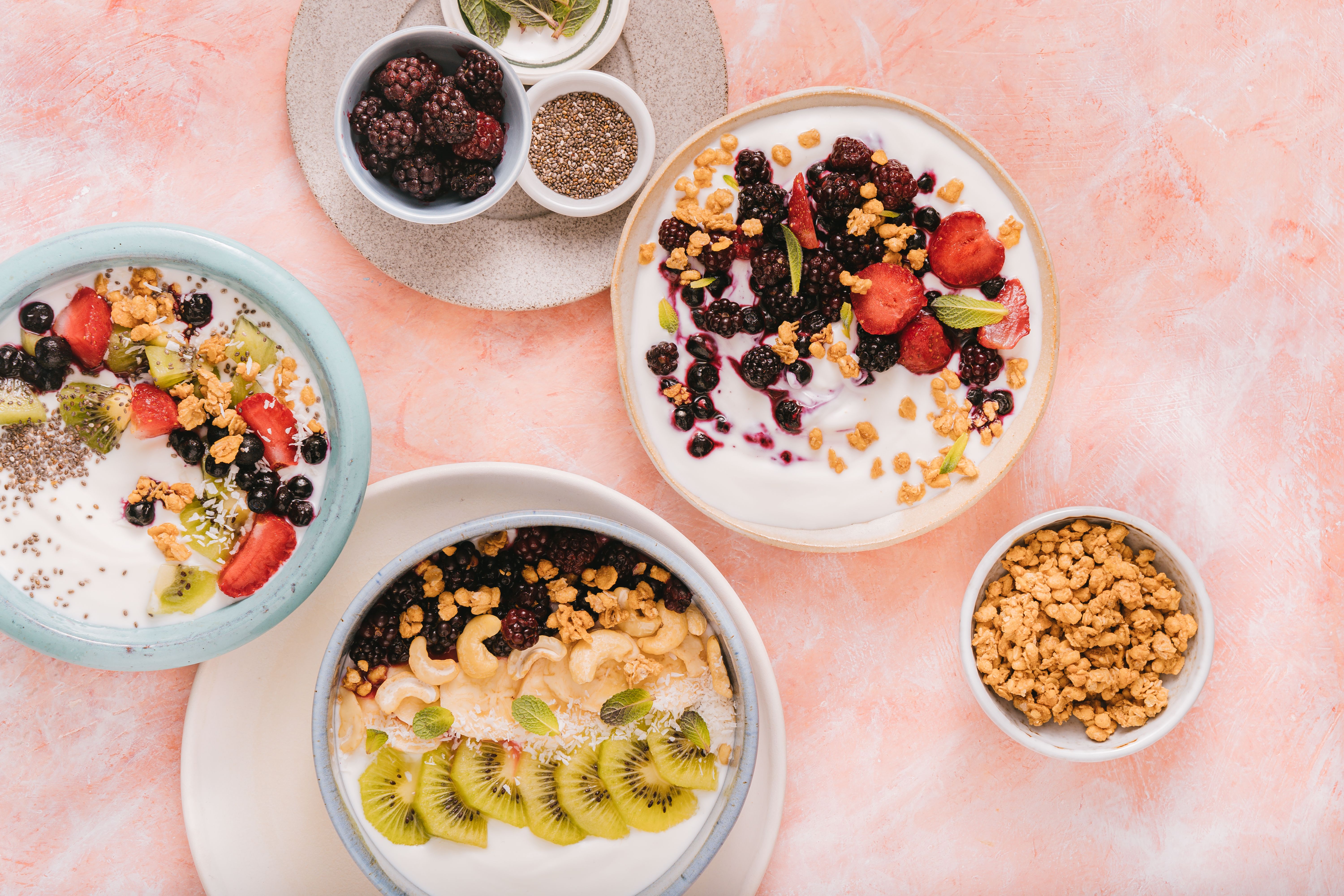
Walnuts are shaped like a brain, and there’s something to that! They are rich in healthy omega-3 fatty acids and vitamin E, both vital for stopping free radicals from damaging brain cells and helping nerves send clear signals. Almonds and sunflower seeds are no slouch, adding healthy fats, protein, and more vitamin E to your snack bowl. Regular handfuls can help you think and remember more easily—these “rich foods” offer gentle, steady energy and keep your focus even between meals.
-
Ways to add nuts and seeds to daily meals
I had no idea until now, but eating nuts just once in a blue moon is not enough: daily habits make the difference. Sprinkle walnuts on oatmeal, toss almonds into yogurt, or keep a bag of mixed seeds at hand. They’re portable, shelf-stable, and mix well with fruit for a snack that genuinely helps maintain memory and cognitive function. For middle-aged and senior citizens, these snacks can replace processed foods and keep hunger in check, too.
I had no idea until now, the act of eating nuts regularly—rather than just occasionally—made a real difference for my clarity.
Green Tea, Coffee, and Red Wine: Drinks for Memory and Brain Health
The science on caffeine, antioxidants, and moderate red wine
Some folks think coffee, tea, or even a glass of red wine are “off-limits” at a certain age. Not so fast. Moderate coffee and green tea boost alertness, improve blood flow, and deliver their own antioxidants (catechins and polyphenols), supporting your brain heal process. As for red wine, some compounds (like resveratrol) may defend brain cells as we age. But hold the pour: too much wine increases risk for memory loss and falls, so moderation is the absolute guideline. One cup of coffee or tea, one small glass of wine “with company,” and you’re right in the zone.
Practical advice for incorporating green tea and coffee—without jitters
I had no idea that the coffee habit of my thirties needed a little update at seventy. Start with smaller amounts, avoid drinking after mid-afternoon, and stick with plain or lightly sweetened tea and coffee. Green tea brings gentler caffeine and powerful antioxidants. If you notice jitters or poor sleep, cut back and see if your memory isn’t sharper for it. The real trick isn’t more, but “just enough” to enjoy the alertness and focus, especially on big days.

How polyphenols in red wine might help brain function, and the risks involved
Sample 7-Day Meal Plan for Best Brain Foods to Improve Memory
Meal |
Breakfast |
Lunch |
Dinner |
Snacks |
|---|---|---|---|---|
Monday |
Oatmeal with blueberries and walnuts, green tea |
Salmon salad with spinach and kale, whole grain roll |
Grilled sardines with collards, sweet potato |
Almonds, square of dark chocolate |
Tuesday |
Greek yogurt with raspberries and sunflower seeds, black coffee |
Egg salad with leafy green salad and seeds, whole grain toast |
Baked mackerel with sautéed spinach |
Mixed nuts, handful of strawberries |
Wednesday |
Spinach omelet, side of berries, green tea |
Sardine sandwich on whole grain, kale and walnut side salad |
Roast chicken, steamed broccoli & collards |
Apple slices and peanut butter, square of dark chocolate |
Thursday |
Whole grain toast, almond butter, blackberries, green tea |
Salmon and mixed greens wrap |
Stir-fried tofu with spinach and seeds |
Pistachios, blueberries |
Friday |
Berry smoothie with spinach and walnuts, black coffee |
Chopped salad with sardines, sunflower seeds |
Grilled steak, kale chips, side salad |
Orange slices, almonds |
Saturday |
Scrambled eggs with collards, toast, green tea |
Chicken salad with spinach and berries |
Fish stew with leafy greens |
Mixed nuts, dark chocolate piece |
Sunday |
Porridge with raisins, flaxseed, green tea |
Vegetable soup with kale and sardines |
Salmon fillet, sautéed spinach and walnuts |
Red grapes, sunflower seeds |
Meal examples that are doable, including tips for middle-aged and senior citizens

Squeeze the lemon. Try just one or two new meals a week, and see what happens to your memory and mood.
What Are the 5 Best Foods for Memory?
Fatty fish
Leafy greens
Berries
Nuts
Dark chocolate
Inasmuch as we can trust the science, these five keep coming up.
-
Why these five lead the pack for brain health and memory
These foods deliver the nutrients, antioxidants, and healthy fats the brain needs for memory and daily function. They’re easy to find, well-studied, and don’t require any fancy recipes. What sets them apart is the blend of supporting brain cell repair, protecting the brain from damage, and improving blood flow—all of which help fight the natural memory dips of aging. I stick with them week after week.
What Are the Top 3 Foods Linked to Dementia?
-
High-sugar, highly processed foods, and excess red meat: reasons they’re risky
High-sugar and highly processed foods often deliver a dose of saturated fat, salt, and chemicals that increase inflammation and “gunk up” blood flow in the brain. Over time, this may speed up cognitive decline, memory loss, and in some research, risk for dementia. Red meat, especially when eaten in excess or processed forms, also raises risks through its impact on blood pressure and brain health. These foods aren’t a guarantee of big problems, but inasmuch as the data holds up, it pays to keep portions small and frequency low.
-
Honest talk: these foods aren't a guarantee of problems, but why experts urge caution
I won’t tell you never to eat a slice of pie or a burger. No single meal will spell disaster. What counts is the trend: daily processed foods pack more risk than weekly treats. Experts urge caution, not abstinence, because the effects show up quietly and slowly, making it easy to ignore until memory starts slipping. For middle-aged and senior citizens, awareness beats extremes every time.
What to Eat to Not Lose Memory?
-
Simple principles for stable memory in middle-aged and senior citizens
Stick to meals rich in the five brain foods: fish, greens, berries, nuts, and a bit of dark chocolate. Drink water, enjoy tea, and if you like, a bit of coffee or red wine with care. Fill half your plate with vegetables, choose whole grains over refined, and avoid getting too hungry between meals. These keep blood sugar steady and help brain cells do their job. Too complicated? Focus on berries over cookies and nuts over chips.
-
How to spot phony advice and focus on proven brain foods
What in the world makes advice about diet so confusing? Hype, sales pitches, and promises that “this superfood will change your life” set off my radar. Ignore anything that sounds too good to be true, and instead, look for foods you can picture your grandparents eating. Simple, whole-food, repeatable meals. That’s how you eat to not lose memory.
How Do I Boost My Memory Naturally?
-
Combining best brain foods to improve memory with movement, sleep, and connection
I had no idea until I tried it—memory is supported not just by what’s on your plate, but how you move, sleep, and connect with others. Food lays the foundation, but a short walk after dinner, regular sleep, and even calling a friend all help strengthen the patterns in the brain that keep memories alive. The trick is not letting perfect be the enemy of good: small, natural habits, touched up daily, do more than any extreme “reset” ever could.
-
Habits that help or hurt, and why small steps count
Stay in the game: it’s daily practice, not just daily food. I keep nuts in a bowl, schedule walks, and leave screens off an hour before bed. Missing a day isn’t disaster—consistency is the friend of memory. Small steps, repeated daily, outpace big bursts every time.
Stay in the game: it’s daily practice, not just daily food.
Below, you'll see a short video where I show how I prepare a simple, memory-supporting breakfast in under five minutes: salmon, spinach, and berries. It’s practical, doable, and no special skills needed—just habit, and a spirit to keep learning.
How I prepare a simple, memory-supporting breakfast in under five minutes
Short explainer video on what fatty acids do in your brain, without the medical jargon
FAQ: Best Brain Foods to Improve Memory
-
Can I get enough brain food on a vegetarian diet?
Absolutely. You can get plenty of brain-healthy nutrients from leafy greens, berries, nuts, seeds, and beans. It’s true that omega-3 fatty acids are most concentrated in fatty fish, but walnuts, flaxseed, and chia seed provide ALA, a plant-based fatty acid linked to better brain health. A vegetarian diet rich in variety can support memory and brain function just fine.
-
Do supplements work as well as whole foods?
Inasmuch as the evidence holds, whole foods do a better job. Supplements may fill gaps, but real foods supply a package of nutrients and plant chemicals that work together. For example, eating whole walnuts gives you fat, fiber, and antioxidants that a capsule can’t match. If you’re considering a supplement, talk to a doctor and use it to supplement—not replace—real food.
-
How quickly will I notice changes if I change my diet?
Most people notice a little more focus and steadier energy in a week or two, but bigger memory gains take steady habits over a few months. Every brain is different. Don’t expect a sudden “eureka”—look for quiet improvements, like remembering details in conversation or following through on plans. Small dietary changes build up over time.
-
What’s the one food I should start with if I feel overwhelmed?
Start with berries. They’re easy, tasty, and available fresh or frozen. Add a handful to breakfast or snack time. If berries aren’t your thing, try walnuts or leafy greens next. Pick just one to begin the routine and see how you feel.
Key Takeaways to Help You Stay in the Game
Eat a variety of best brain foods to improve memory every week
Don’t let all-or-nothing thinking keep you from small changes
Keep a hopeful attitude: aging can be opportunity, not inevitable decline
If You Want to Stay Sharp, Take the First Step
Discover the simple daily system that keeps your mind sharp, your energy strong, and your future wide open. Your brain doesn't have to slow down with age! Get the free ebook: https://link.bramify.com/preview/EzLh7Da74Dkhi7xxUwst
Thanks.

Write A Comment