Michael's Guided Path to Health

  • Home
  • Blog
  • Categories
    • Healthy Habits
    • Health News
  • About Michael Ferrigno
  • Connect with Michael Ferrigno
  • All Posts
  • Healthy Habits
  • Health News
August 02.2026
1 Minute Read

Unlock Brain Power with Memory Improvement Exercises for Seniors

I’ll tell you what woke me up: watching my brother, a sharp guy all his life, suddenly struggle to sort out a grocery list after his stroke. What in the world, I thought, would I do if my memory started slipping like that? Since then, I’ve learned more about memory improvement exercises for seniors than I ever thought I’d need. It turns out, the right moves make a difference, whether you’re worried about repeat forgetfulness or just want to keep your brain in fighting shape for as long as possible. Here’s what every middle-aged and senior citizen needs to know to stay motivated, sharp, and in the game—even if you’ve hit a few bumps already.

Why Memory Improvement Exercises for Seniors Matter for Middle-Aged and Senior Citizens

  • Observational evidence: More people worry about memory loss than almost any other part of aging

  • The science on memory loss and cognitive decline

  • How memory exercises support daily life and quality of life

If you’re like most middle-aged and senior citizens I know, the fear of memory loss creeps up in quiet moments—a missed name, a forgotten appointment. More folks worry about memory slipping than just about any other part of growing older, and with good reason. Research shows memory loss isn’t always inevitable, but it’s common enough to make all of us think twice. What surprised me most as I dug into the science was that memory exercises—from simple word puzzles to movement routines—support not just recall, but the entire quality of daily life. They help you keep up with daily tasks, make sharper decisions, and stay connected with friends. You boost memory in the same way you build muscle: honest, regular effort, not magic tricks. The right routines can tip the odds in your favor.

I had no idea how much difference little daily changes could make until I began helping my brother recover. Inasmuch as the research convinced me, seeing him remember appointments again was what convinced me most.

memory improvement exercises for seniors, elderly couple playing memory game at kitchen table

What You'll Learn About Memory Improvement Exercises for Seniors

  • What is true (and what isn’t) about memory exercises

  • Practical exercises you can start today—no fancy gadgets needed

  • How brain games and memory games work with your daily routine

  • Which habits matter most for lasting brain health

You’ll find plain-English answers here: what helps, what’s nonsense, and what practical approaches fit right into your life. I’ll walk you through brain games, daily recall tricks, the science behind it all, and the real habits that stick. You don’t need a background in neuroscience or a pile of expensive gadgets to get results—just a willingness to try one new thing at a time and see where it takes you.

Understanding Memory Loss: The Truth for Middle-Aged and Senior Citizens

Memory Loss Versus Normal Forgetfulness

  • The difference between cognitive decline and normal lapses

  • Warning signs worth mentioning to a doctor

  • Common myths about memory loss

Here’s the honest truth: Everyone has lapses—a missed name here, a forgotten birthday card there. That’s not a cause for panic. Normal forgetfulness is grabbing the oatmeal instead of the cereal or searching for your glasses when they’re on your head. Cognitive decline, on the other hand, stands out because it starts to mess with your everyday tasks—bills get lost, appointments disappear from memory, or you get lost on the way to a familiar place. These are what doctors call signs of cognitive impairment or even mild cognitive impairment. The myths? That memory loss is either inevitable or always the start of something terrible. Neither is true. In many cases, daily memory exercises can help slow, halt, or even slightly reverse lapses, especially if you spot them early and talk to a doctor about new or worsening symptoms.

thoughtful senior man reflecting on memory improvement exercises with book in lap

The Science Behind Memory Improvement Exercises for Seniors

What Happens in the Brain With Age

  • How brain exercises help support memory function

  • What research says about brain training, physical exercise, and memory

I had no idea until now that the brain was as trainable as the body. Just like your muscles, your brain changes with use and age. Neurons (your brain’s messengers) make new connections when challenged with memory games, learning, or even physical movement. Research shows brain training—like learning a skill or using structured memory exercises—really can slow natural forgetting and sometimes even sharpen recall. Physical exercise can increase blood flow and pump nutrients to your brain, further supporting repair and growth. Middle-aged and senior citizens who keep moving and keep learning stay sharper and maintain mental health and independence longer. No trickery—just honest effort applied to body and mind, day after day.

"I had no idea until now that the brain was as trainable as the body. It turns out you really can teach an old dog new tricks."

brain training for older adult, digital illustration of neurons and active brain connections

Everyday Memory Improvement Exercises for Seniors

Simple At-Home Memory Exercises

  • Daily recall routines (shopping lists, stories, phone numbers)

  • Visualization and association

  • The 7 second trick to improve memory—pausing and picturing

My toolbox starts with the basics. Make a shopping list from memory instead of paper, remember an old friend’s story, or memorize phone numbers a few digits at a time. Try visualization: when you meet a new neighbor named Rose, picture her planting roses. Associating ideas helps them stick. The “7 second trick”? When you want to remember something—doctor’s instructions, a new word—pause and picture it in your mind for about seven seconds. That pause helps your brain store the memory for later. I had no idea this little pause could be as effective as it is, but it makes daily recall routines easier and less stressful every time.

Brain Games and Memory Games

  • Word puzzles: crosswords, anagrams, word searches

  • Card games, number puzzles, and matching games

  • Using brain games for fun and structure

Here’s where you can really have some fun. Word puzzles—crosswords, word searches, even classic anagrams—give your brain function a workout. These brain games build verbal memory, processing speed, and attention to detail. Card games and matching games (think classic "Memory" or even a quick round of solitaire) bring structure and just enough challenge to boost your cognitive function. If you want more structure, try setting aside 10 minutes each afternoon for one of these games, and watch how much easier small daily tasks become. For many middle-aged and senior citizens, these games give a double payoff: sharper thinking, and a little fun to look forward to every day.

smiling senior woman solving word puzzles, memory exercises for seniors

Group Activities and Social Brain Exercise

  • Book clubs, trivia nights, and memory games with friends

  • Learning new skills: language, music, hobbies

Social time is brain time. You don’t need to join a classroom—just get together with friends for a trivia night, book club, or group memory game. Learning a new skill (a few words of a new language, a musical instrument, or even a recipe) fires up parts of your brain that solo exercises can’t reach. These activities improve both memory and mental flexibility, all while giving a boost to mood and emotional wellbeing. Inasmuch as research shows, the best exercises keep you both socially and mentally engaged. Sometimes the challenge of a trivia question with friends is exactly the nudge your brain needs.

group of seniors engaging in social memory exercise and card game

Physical Exercise and Memory

  • How walking, tai chi, and dance classes support memory

  • When physical exercise acts as a brain exercise, too

I’ll admit, I was skeptical at first when the doctor recommended more walks to support memory. Turns out, physical exercise—walking, tai chi, or even gentle dance—directly improves brain health by increasing blood flow and making it easier for your brain to build and protect tissue. When you work up a light sweat, your body releases natural chemicals that protect nerve cells and can even spark the growth of new ones. In the long run, these activities tie together better memory, improved mood, and better physical health. Your brain is part of your body, and what’s good for one is almost always good for the other.

Making Memory Improvement Exercises Part of Daily Life

  • How to build memory exercises into routines that already exist

  • Why consistency matters for brain training

The biggest trick isn’t picking the “perfect” exercise—it’s doing something regularly. Pair a word puzzle with your morning coffee. Practice recalling your shopping list as you fold laundry. If you already walk in the mornings, challenge yourself to remember the names of flowers you spot. The best memory exercise is the one you will do each day, not the one you think about doing someday. Consistency—showing up again and again—turns training exercises into true habits. Motivation changes, but routines stick, especially for middle-aged and senior citizens balancing busy lives and more pressing health concerns.

motivated senior man combining memory exercise with gentle morning stretch

Table: Quick Reference to Memory Improvement Exercises for Seniors

Exercise Type

How to Do It

Frequency

Best For

Recall Practice

List items from your day or shopping list

Daily

Strengthening short-term memory

Word Puzzles

Crossword, word search, or anagram

Few times a week

Verbal memory, attention

Physical Exercise

Walking, tai chi, dancing

3-5 times weekly

Memory, mood, physical health

Social Activities

Book club, trivia, learning groups

Weekly

Mental flexibility, emotional wellbeing

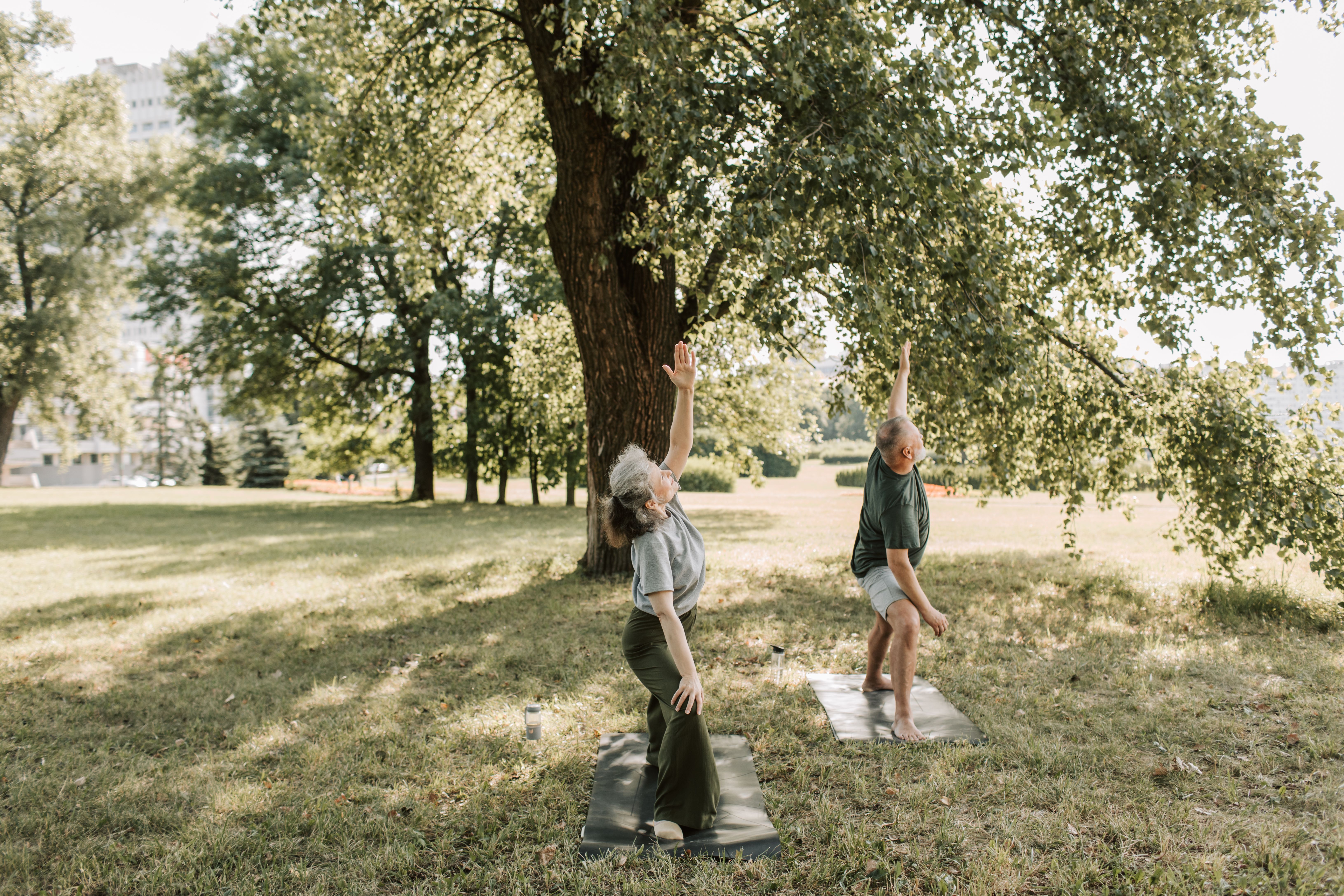
senior couple practicing daily physical exercise in neighborhood as memory improvement routine

Quotes From Fellow Middle-Aged and Senior Citizens About Memory Exercises

  • "I was worried memory loss was unavoidable. Now my book club is my favorite part of the week—my mind feels sharper."

  • "I do word puzzles and walk every evening. I had no idea how much more focused I’d feel at work, even in my sixties."

I hear stories like these every week. For many middle-aged and senior citizens, just starting a habit is the biggest hurdle—once going, the difference sneaks up quietly and becomes part of daily life.

Small Habits for Lasting Results: Making Memory Exercises Stick

  • Pairing brain games with morning routines

  • Turning physical exercise into brain training moments

  • Giving yourself permission to start small

The biggest lies are that it takes hours of practice or special equipment to get going. In my experience, the folks who get the best results start with a tiny habit—a brain game during breakfast, memory exercises in tandem with daily stretches, or simply recalling yesterday’s highlights as you brush your teeth. Those small moments turn into weeks and months before you know it. So give yourself permission to start small and messy. It’s not about perfection; it’s about getting back on the horse whenever you slip.

FAQs: Memory Improvement Exercises for Seniors

Are brain games and memory games really effective?

Yes, but with honesty: brain games, including word puzzles, card games, and recall challenges, do help boost memory and sharpen attention. The key is fitting them into your life regularly, not expecting overnight results. Inasmuch as research supports, the benefits are bigger when you mix games with physical activity and social time. Think of them as good fuel for your mind, not a magic fix.

Do memory improvement exercises help reverse memory loss?

They can help slow or sometimes even partially reverse memory decline—especially when you start early and combine different types of mental and physical exercise. While memory exercises can’t “cure” underlying disease, they make it easier to keep up with daily activities and stay independent. Best results come from daily routine rather than bursts of motivation.

How long does it take to see benefits from memory exercises?

Most middle-aged and senior citizens notice improvements—like easier recall and more confident thinking—after a few weeks of consistent memory exercises. That said, everyone’s timeline is different. As with any training exercises, steady, regular practice helps changes stick. Keep at it, and you’ll likely notice it gets easier and more enjoyable with time.

Are word puzzles enough for brain health in middle-aged and senior citizens?

Word puzzles are a great start, sharpening your verbal memory and attention, but lasting brain health comes from a mix—physical exercise, social interaction, and new learning all add up. The mix keeps your brain health strong and covers all corners of cognitive function. My advice: don’t put all your eggs in one basket; enjoy the variety.

People Also Ask: What is the best exercise for memory increase?

  • There’s no single ‘best’ memory exercise—what matters most is consistency. Some research points to a mix of word puzzles, recall routines, and daily physical activity as the most effective combination.

People Also Ask: What is the 7 second trick to improve memory?

  • The 7 second trick involves pausing to consciously picture and repeat a new bit of information for seven seconds, helping it move into longer-term memory.

People Also Ask: What is the 3 words test for memory?

  • The 3 words test is a quick way doctors check memory: you’re asked to remember and repeat three unrelated words after a delay. It’s a screening, not a full diagnosis.

People Also Ask: What to drink for brain memory?

  • Plain water tops the charts. Proper hydration has the clearest support for memory. Drinks like green tea or coffee may help, but don’t count on a magic beverage.

Key Takeaways on Memory Improvement Exercises for Seniors

  • It’s not too late for middle-aged and senior citizens to support memory

  • Consistency—not complexity—matters most

  • Blending fun, movement, and social activity yields the best results

If You Remember One Thing About Memory Improvement Exercises for Seniors

  • Don’t wait for motivation—just get back on the horse and do one memory exercise each day. You’ll be surprised where it leads.

Discover the simple daily system that keeps your mind sharp, your energy strong, and your future wide open. Your brain doesn't have to slow down with age! Get the free ebook: Download here

Healthy Habits

0 Views

Write A Comment

*
*
Please complete the captcha to submit your comment.
Related Posts All Posts
08.01.2026

Transform Your Life with These Daily Habits for Better Brain Health

Picture this: You wake up one morning and can’t quite recall a neighbor’s name or where you put your keys. It knocks you sideways, especially if you’ve always prided yourself on your memory. I’ve been there myself, and let me say—those moments can be a wake-up call. The good news? The daily habits we choose, especially after 50, can make all the difference in staying sharp. I’m Michael Ferrigno, 74, lifelong health and wellness educator, and I want to share what I’ve learned on this road to better brain health—not with hype, but with plain, hard-earned hope.Finding Hope in Daily Habits for Better Brain HealthIf you’re reading this, something’s nudged you: maybe a bit of forgetfulness, a tough doctor’s visit, or seeing a friend struggle. It’s easy to believe brain health slips out of our hands after a certain age. But that’s not the story in the research—or in my experience. Daily habits for better brain health aren’t just buzzwords. They’re the small, steady steps that build up, day after day, to help us stay sharp, steady, and in the game. And here’s what keeps me coming back: even small changes matter. You do not have to overhaul your life or live like a saint. You just need to get started, stick with it, and trust that these habits, over time, will add up—giving back clarity, energy, and confidence you thought were gone for good.Each of the habits I cover below is something I’ve tested, wrestled with, and adapted for my own routine. You’ll see where I’ve tripped up and what surprised me. I’m not selling a cure, but if you want to know what really makes a difference—right here, in your daily shoes—you’re in the right place. Aging, inasmuch as it changes things, is not the end of sharp thinking. It’s an opportunity to steer your ship with better habits.Why Habits Matter Even More After 50After 50, the rules of the game start to change. The science backs it up: our brains are still flexible, able to learn, and capable of making new connections. But they need different care than they did in our 30s. Think of daily habits for better brain health as you would daily brushing for your teeth—you can’t control everything, but a bit of steady attention adds up to a lifetime of difference. Around this age, our resilience to missed sleep, stress, and bad food shrinks a little, and the stakes are higher when routines slip. These aren’t scare tactics; it’s simply the way bodies, and especially brains, age. The bright spot? The brain’s “cognitive reserve”—its ability to stay sharp even with a little natural wear and tear—actually increases when you feed it with curiosity, movement, and good company. If you’ve just started thinking about brain health now, don’t let anyone tell you it’s too late. The habits you build now still buffer you against memory loss, mood dips, and even the risk of cognitive decline.A Personal Story: From a Family Wake-Up Call to Healthier RoutinesSeven years ago, my brother had a stroke—no warnings, no family history. The first days were a blur of hospital visits and tough questions. What, in the world, could we have done differently? That scare set me digging into research on brain health, not as an expert, but as a brother who wanted answers. I started pairing my morning walks with a podcast on healthy aging, ditched the processed foods hiding in my pantry, and got serious about my own blood pressure. The changes weren’t perfect. There were plenty of days I wanted my old routines back, but each little victory—remembering where I’d left the car, feeling less groggy after sleep, picking up the guitar to learn a new song—carried more weight than I expected. Now I think of those days not as a loss, but as a fork in the road: a reason to squeeze the lemon and get back in the game. If my brother’s story sounds anything like yours, I can tell you—starting fresh with daily habits is always worth a try.What You’ll Learn About Daily Habits for Better Brain HealthWhat daily habits truly support brain healthWhich habits quietly drain your mental energyHow to spot hype and stick with what mattersSimple steps to build better brain health that fit real lifeThe Building Blocks: What Is Brain Health and Why Should Middle-Aged and Senior Citizens Care?Let’s start with the basics. If you’ve ever left a doctor’s visit more confused than when you walked in, you’re not alone. Brain health, in plain English, is your mind’s ability to remember, learn, plan, focus, and adapt—without being slowed down by fog, forgetfulness, or mood swings. It’s not about being a trivia champ or solving every puzzle; it’s the reliable “spark” that lets you find words for your stories, follow a recipe, or keep a conversation going with friends. For middle-aged and senior citizens, it’s especially important because the habits that protect our thinking skills also help our mood, balance, and independence.Defining Brain Health (In Plain English)To me, brain health means having the mental “fuel” and flexibility to get on with daily life—managing bills, chatting with friends, chasing grandkids, or enjoying a good book. It’s what lets us feel like ourselves, even as the years stack up. Technically, brain health is your brain’s ability to think clearly, remember basics, use good judgment, and keep your emotions steady. Think of it as the foundation for the kind of independence you want to protect as you age. I had no idea until I did the research that things like sleep apnea, uncontrolled high blood pressure, and plain old stress did real, measurable damage to nerve cells—not just over decades, but in a matter of months. The more I learned, the more motivated I got: you can protect this “core” of who you are, one daily habit at a time.How Aging Affects Brain Health—And Why It’s Not All DownhillYes, aging does put some wear on the engine, but it doesn’t drive us off the track—unless we let it. The idea that cognitive decline is a “normal part” of getting older is only half-right. It’s normal for thinking to feel slower, maybe for names to take a bit longer to retrieve, but sharpness, curiosity, and even memory can stay strong. Research shows that middle-aged and senior citizens who move often, sleep well, eat a balanced diet packed with greens and olive oil, and stay socially connected preserve much more of their mental “spark. ” The biggest concern is not age itself, but the slow slide of habits—sitting too much, eating processed foods, ignoring blood pressure—that add up to increased risk of dementia and stroke. I had no idea, until very recently, how much was in our control, and how much I’d let slip without meaning to.What I Had No Idea About Until I Started the ResearchI thought most forgetfulness was just getting older—until I saw research on how even gentle everyday habits can protect or damage nerve cells and blood flow in the brain. Sleep, for instance, isn’t just “rest. ” It’s when your brain clears out waste, repairs itself, and files away new memories. Blood pressure, it turns out, feeds or starves brain cells every single day, and bad days can start compounding faster than we think. The big surprise? The brain can “bounce back” with new connections—yes, even in our seventies—if we challenge it, move our bodies, and stay curious. Not everything can be fixed, but much more is in our hands than you might believe. It’s not just about living longer; it’s about keeping your spark. That’s worth every effort.Ten Essential Daily Habits for Better Brain Health1. Move Every Day: Exercise as the Unsung Hero for Brain HealthI used to dread exercise, but regular physical activity is hands-down the unsung hero for brain health. Every brisk walk, swim, or gardening session pumps oxygen and nutrients right to your nerve cells and clears out the cobwebs. The science says regular exercise—whatever you can stick with, even a daily stroll—boosts blood flow, lifts mood, and can cut the risk of cognitive decline nearly in half. In fact, exercise has a measurable effect on memory, judgment, and your ability to plan things out. If starting feels like a mountain, try a ten-minute walk and build from there. Inasmuch as you make moving a habit, you’re lighting a candle that keeps your brain brighter and your future open.Research shows that exercise builds “cognitive reserve,” meaning even if trouble comes knocking (like minor strokes or brain changes), you have spare brainpower on tap. Every middle-aged and senior citizen can start, no fancy gear required. I take a walk every morning, rain or shine, and it’s not about breaking records. It’s about stacking up the small wins. Your heart health and brain health are joined at the hip: what helps one, helps the other.2. Eat For Brain Health: The Foods That Support Memory and MoodFood is more than fuel—it’s the material your body uses to build and repair nerve cells. I had no idea the impact a good meal could have on mental sharpness. A balanced diet packed with leafy greens, berries, nuts, and olive oil protects the brain’s “wiring” and reduces inflammation that can slowly erode memory. Think in terms of the Mediterranean or “MIND” diet: lots of vegetables, fruit, whole grains, moderate fish, and a daily drizzle of olive oil. It’s not fancy—just consistent quality.Processed foods, excess sugar, and heavy meals sap energy and increase the risk of cognitive impairment. If you do one thing today, add a serving of greens or berries to your next meal. In the long run, small shifts in diet support memory, boost mood, and give you a buffer against mood swings and forgetfulness. Eating for a healthy mind keeps the whole system running on all cylinders.3. Prioritize Sleep—And What in the World Happens If You Don’tSleep isn’t optional for brain health—it’s the reset button your brain needs. While you rest, your brain flushes away waste, files memories, and repairs nerve cells. I learned the hard way: inconsistent sleep routines or untreated sleep apnea can cause fogginess and memory slips in just a few weeks. As we age, chronic bad sleep can increase the risk of dementia, heart disease, and even high blood pressure. Go to bed and wake up at the same time most days, and keep screens out of the room.If you notice snoring, daytime sleepiness, or restless nights, talk with a health care provider. I had no idea that “just a bad night’s sleep” could do such damage over time. Protecting sleep is one daily habit for better brain health that gives back far more than it takes. Don’t burn the candle to the last flame—protect your rest as fiercely as any other routine.4. Manage Blood Pressure: Protecting Your Brain’s LifelineNothing drains brain health as quietly as unchecked high blood pressure. Over time, high blood pressure injures tiny vessels feeding your brain, starving nerve cells and increasing the risk of strokes, cognitive decline, and even dementia. I’ve made it a habit to check my blood pressure every week since my brother’s stroke, and it’s helped me catch small problems before they grow.Middle-aged and senior citizens should check blood pressure regularly, keep salt intake reasonable, and talk to a care provider about any readings that stay above normal. Even small improvements—more walks, less processed salt, better sleep—add up tremendously. Your brain’s “lifeline” depends on it.5. Challenge Your Mind: Learning New Skills at Any AgeLearning doesn’t stop at retirement. The search shows that acquiring a new skill—like an instrument or a language—boosts new connections and keeps the mind flexible. I started with crossword puzzles but found real joy in picking up the guitar. Every new challenge you take on, big or small, is like strength training for your thinking skills.It’s not about being perfect, but about staying in motion. Whether you read a new book, learn a hobby, or listen to new music, you’ll give your brain the ingredients it needs to form fresh pathways, support memory, and keep mental decline at bay. Remember, boredom is optional—curiosity is the spark that keeps us young.6. Stay Social: How Connection Slows Mental DeclineWe’re wired for connection. I had no idea until recently just how deeply social engagement protects brain health. Isolation quietly eats away at memory, mood, and even life expectancy. A regular call to a friend, chats with grandkids, or shared meals are as crucial for your brain as any supplement. People age more gracefully, and stay sharper, when they have genuine, daily contact.Engage with others, even if it takes effort some days. Volunteer, join a group, or just show up for coffee. Every connection gives your mood a lift and your memory a workout. Social ties reduce the risk of dementia, buffer against cognitive decline, and keep hope alive.7. Practice Mindfulness: Stress, Breathing, and Mental ClarityMindfulness sounds trendy, but all it means is giving your mind a breather now and then. Three deep breaths, a moment of stillness before a meal, or five minutes of guided meditation can lower anxiety and sharpen focus. I started with short, simple breathing exercises and noticed a clearer mind and steadier mood within weeks.Unchecked stress amps up inflammation and does quiet damage to brain cells. Inasmuch as you can, carve out small moments of calm. Meditation, prayer, gardening, or even mindful walking are practical daily habits for better brain health and not reserved for yoga types. If your mind is racing, try three minutes of slow breathing: in through the nose, out through the mouth.8. Stay Hydrated: Why Even Mild Thirst Matters for Brain HealthMild dehydration sneaks up fast, especially after 50. Your brain’s ability to focus, remember, and plan tumbles when your water tank runs low. The solution is simple: keep a bottle handy and sip often, even if you’re not thirsty. I make it a point to drink a glass of water before each meal and keep water at my desk while working. It’s one of the simplest, most reliable ways to avoid brain fog.Studies show that even a 2% drop in hydration can slow thinking speed and sap energy. If you’re noticing headaches, dry mouth, or plain old sluggishness, start small—a glass at breakfast, another at lunch. Your brain runs on water as much as anything else.9. Avoid Toxins: Alcohol, Smoking, and Environmental HazardsAlcohol and tobacco are no friends to your memory. Even “normal” drinking increases the risk of cognitive impairment, while smoking strips the brain of oxygen and damages blood vessels. The research is clear: protecting your brain means saying no, as much as possible, to these toxins. Not just for big health scares, but for day-in, day-out brain clarity.Be mindful of secondhand smoke and avoid heavy drinking. If quitting feels impossible, talk to your care provider about small, steady steps. Every drink skipped and every smoke-free day is a win for your nerve cells, the “electric wires” of your mind.10. Embrace Curiosity: Staying Mentally Engaged Every DayYou don’t have to become a scholar, just stay curious. Curiosity—asking questions, exploring new ideas, starting a small project—keeps the brain flexible and builds what researchers call “cognitive reserve. ” It protects against boredom, staves off the slump, and leaves you ready for whatever comes next. I try to learn or notice one new thing daily—a bird in the yard, a different news article, or a new recipe.This daily habit for better brain health is both the easiest and most joyful—no training required. The more you wonder, the more your brain adapts, repairs, and grows. Stay hungry for new experiences, and you’ll keep your mind open and your future bright.Walking or gentle exerciseLeafy greens and berriesSleep routinesBlood pressure monitoringLearning instruments or languagesRegular phone calls or visitsMeditation or simple breathingKeeping a water bottle handyWatching out for secondhand smokeCrossword puzzles, reading, and listening to new musicTable: Daily Habits and Their Impact on Brain HealthHabitHow it Supports Brain HealthPhysical activityImproves memory and moodBalanced dietReduces brain inflammationSound sleepConsolidates memoriesBlood pressure controlPrevents strokes and cognitive declineLearning new thingsBuilds mental resilienceSocial engagementReduces loneliness and dementia riskMindfulnessReduces anxiety, increases focusHydrationSupports attention and thinking speedAvoiding toxinsProtects brain cells from damageCuriosityKeeps brain flexibleA dynamic explainer video using clean infographics and gentle animations showing a day-in-the-life of a senior practicing healthy brain habits—walking, eating fresh foods, socializing, and practicing mindfulness—all in welcoming, brightly lit home and outdoor settings.Habits That Quietly Hurt Your Brain HealthJust as good habits are the “bricks” of brain health, the small destructive routines are termites in the wood. I had no idea until I dug into the research how much a few quiet habits—like sitting too long or regularly skipping social gatherings—could pile up and hurt thinking skills. These are the routines worth catching early, before they grow into bigger problems like memory loss, depression, or cognitive decline.What I Wish I Had Known: The 10 Most Damaging Brain HabitsHere’s a list I wish I’d had years ago. Sitting for hours without moving, eating processed foods, and staying up late were “normal” for me. But all these habits quietly chip away at nerve health. Ignoring your blood pressure or rarely trying new things leaves the brain under-used and underfed. What in the world was I thinking? Now I know: small, bad habits—multiplied over months and years—lead to bigger issues down the road. Shining a light on these behaviors is never meant to guilt you; it’s about catching yourself and getting back on the horse.7 Bad Habits for Your Brain I See Too OftenAfter talking to hundreds of fellow middle-aged and senior citizens, I keep seeing the same seven traps. Too much sitting, endless TV, processed foods, skipping sleep, dehydration, smoking or heavy drinking, and plain old social withdrawal. These habits look small but rob you of brainpower and resilience—far more than we notice in the moment. The old myth is that “a little won’t hurt. ” The truth? Over time, these patterns pull the rug out from under thinking skills, making everything a bit harder.Here’s what ties them together: lack of movement, sugary or salty snacks, and isolation all break down the body’s natural repair systems. Layer on uncontrolled stress, and you get a storm that quietly eats away at the wiring inside your head. The fix isn’t to be perfect but to spot these patterns and gently redirect yourself, as I’ve had to do more than once.Why Missing Sleep or Social Time Matters More Than You ThinkIt’s tempting to write off a late night or skipped gathering as no big deal. Those “little” absences add up. Poor sleep weakens memory, clouding your days and making every task harder. Missed social time isn’t just about loneliness—it’s about robbing your brain of the connection it uses to stay agile and responsive. If I can urge one thing, it’s this: protect your sleep and friendships as carefully as your diet or exercise. They’re the hidden allies in lasting brain health.Sitting for hours without movingProcessed foods and excess sugarStaying up late, irregular sleepIgnoring blood pressureRarely trying anything newLetting stress go uncheckedNot drinking waterRegular alcohol or tobacco useWithdrawing from friendsEating in front of the TV each nightTable: Good vs. Bad Daily Habits for Brain HealthGood HabitBad HabitWalking dailySitting too muchEating greens and fishProcessed foodsConsistent sleep scheduleErratic sleepConnecting with friendsSocial isolationReading or learningRepetitive, passive activitiesIn this personal video, I walk through my morning, from checking my blood pressure to calling a friend and starting a new crossword. You’ll see the tweaks I made over time and how starting small—and messing up, then trying again—mattered more than any single fix. It’s not about perfection, but persistence.A Closer Look: How Blood Pressure Affects Brain HealthWhy Controlling Blood Pressure Is Central for Brain HealthEvery bit of blood that flows through your brain feeds fragile nerve cells. High blood pressure? It’s like holding a garden hose too tight—sooner or later, something bursts. Controlling blood pressure is at the heart of protecting memory and preventing cognitive decline. People age much more gracefully when they keep their blood pressure steady and in a healthy range. The damage from high blood pressure is rarely sudden; instead, it sneaks up over years, taking a little brainpower off the top each day.This isn’t scare talk. It’s about recognizing that your habits—what you eat, how you move, and how you handle stress—are the levers for day-to-day protection. I check mine every week, and those five minutes have caught changes before they turned into trouble. If you haven’t tracked yours lately, ask your care provider to walk you through the numbers and what they mean for brain health.Simple Strategies for Middle-Aged and Senior CitizensLet’s keep it practical. Eat more plants, less processed salt, and keep alcohol to a reasonable minimum. Find a physical activity you’ll come back to, whether it’s walking, dancing, or gentle yoga. Manage stress by adding a breathing exercise before meals. Most importantly, track your blood pressure with a simple home cuff—most pharmacies can show you how to use one. Small changes—made consistently—help not only the heart but the thinking skills we rely on. If you notice headaches, confusion, or unusual tiredness, ask your health care provider to check your numbers and give you next steps.I Had No Idea: Early Signs Your Blood Pressure Needs AttentionI didn’t know until my brother’s stroke what to watch for. Early signs aren’t always dramatic—sometimes it’s just odd headaches, blurry vision, or feeling a bit “off. ” Don’t wait for a big scare. If you feel unusually tired, lightheaded, or notice your memory slipping, schedule a check with your provider. Catching these clues early is how you stay on the horse and keep your head clear.How to Build and Stick With Daily Habits for Better Brain HealthWhy Most New Habits Fail (But Yours Don’t Have to)Most routines crash and burn because we try to change everything overnight. I did that, too—until I figured out that small steps last longer. The biggest obstacle is not motivation, but making habits fit into the life you already live. Attach a new habit to something old, like stretching while the coffee brews, or calling a friend after your morning walk. Track your wins in a notebook, not for bragging rights, but to keep yourself honest.And about setbacks—I have them, too. The trick is not to let a missed walk or forgotten meal domino into quitting. Instead, notice it, be gentle, and start again. Your daily habits for better brain health are not a test you can fail, but a path. You get back on the horse when you wander.Small Steps That Help You Get Back on the HorseWhen I lose my rhythm—and it happens—my first question is: What worked well last time? I keep a simple log, checking off each walk, veggie, call, or glass of water. I ask a friend to join me, if I need a nudge. Habit change works best in groups, or with even one ally for accountability. Just as important: forgive slip-ups. Honesty helps you adjust course fast, so a missed day doesn’t turn into a missed month.Pick the smallest improvement you can picture doing today. If it sticks, great. If not, scale it back until it does. That’s how real habits get built—in the trenches, not in books.My Favorite ‘Reset’ Tricks When I Get Off TrackPairing new habits with old routinesTracking progress in a simple notebookEnlisting a friend for accountabilityBeing honest about setbacks—then starting freshQuotes from Fellow Middle-Aged and Senior Citizens on Daily Habits for Better Brain Health"I never expected learning the piano at 68 would do so much for my confidence and my memory." – Frank, 70"Taking short walks after dinner helped me sleep soundly for the first time in years." – Linda, 65"Sharing stories with my grandchildren keeps me sharper than any crossword puzzle ever did." – Hank, 73People Also Ask: Daily Habits for Better Brain HealthWhat are the 10 healthy habits for brain health?Answer: The 10 healthy habits include moving daily, eating well, sleeping consistently, managing blood pressure, learning new things, staying socially active, practicing mindfulness, drinking enough water, avoiding toxins, and remaining curious—each of these supports the different ways your brain needs to recharge and heal, day after day.What are top 10 brain damaging habits?Answer: Top brain damaging habits are physical inactivity, unhealthy diet, poor sleep, uncontrolled blood pressure, lack of learning, isolation, chronic stress, dehydration, substance use, and monotony. I had no idea until now just how much these can add up over time.What are the 7 bad habits for your brain?Answer: Seven common bad habits include sitting for too long, heavy processed food intake, skipping social time, unpredictable sleep, ignoring medical checkups (like blood pressure), constant multitasking, and unchecked stress.What is the #1 worst eating habit for memory loss?Answer: The #1 worst eating habit for memory loss is regularly eating highly processed foods and added sugars. The evidence isn’t perfect, but cutting these out has helped many, including me, hold on to mental sharpness.Lists: Action Steps for Daily Brain Health HabitsStart with a 10-minute walk each morningAdd one serving of greens at lunch or dinnerGo to bed and wake up at the same timesCheck your blood pressure once a weekRead a short article or book chapter dailyCall a friend or family member regularlyPractice 3 minutes of mindful breathingCarry a water bottle and sip frequentlySay no to that extra drink or cigaretteTackle a new hobby or puzzle monthlyFAQs About Daily Habits for Better Brain HealthCan changing daily habits really help my memory in my 70s?Yes, changing your daily habits can still help improve or protect memory, even in your seventies. The brain remains adaptable at every age, especially when you consistently practice habits like regular physical activity, a balanced diet, good sleep, and social engagement. Inasmuch as you make changes, the benefits stack up—sometimes slowly, but steadily, and often in surprising ways.How long does it take before I see results from new daily habits for better brain health?Most people notice small improvements within weeks—clearer memory, better mood, or more steady energy—but real, lasting change usually takes a few months of steady effort. It’s less about a finish line and more about building a pattern that supports brain health over time. I saw my sharpness and confidence return after a season or two of sticking with the basics.Are supplements necessary for brain health, or can daily habits be enough?Supplements can help some people with specific deficiencies, but for most middle-aged and senior citizens, daily habits make the biggest difference. Consistent movement, restful sleep, a nutrient-rich diet, and healthy social ties do far more than any pill on the shelf. That said, always check with a health care provider before adding anything new to your regimen.Which habit should I start with if I feel overwhelmed?Pick the path of least resistance. What feels doable—adding a ten-minute walk, drinking more water, or calling a friend? My advice: start with movement or sleep, as these ripple into other areas of health and make every other change easier. It’s not about perfect routines, but about getting traction where you can.What do I do if my doctor doesn’t talk about brain health?Bring it up directly: ask what habits protect thinking skills as you age, and share your concerns and goals. Not every care provider will have a full answer, but you deserve clear advice. Take notes, ask for resources, and use your appointments as a partnership—not a lecture. You are your own best advocate.Key Takeaways on Daily Habits for Better Brain HealthDaily habits have a powerful, cumulative effect on brain healthConsistency is more important than perfectionPhysical activity, sleep, social ties, and curiosity are equally vitalNo single habit is a cure-all—but each one you build keeps you in the gameIt’s not too late to make meaningful changesReady to Start? Build Your Own System for Daily Habits for Better Brain HealthResources for Middle-Aged and Senior CitizensLink to reputable brain health organizationsRecommended reading for brain health habitsSimple PDF checklist to print and followA Final Word: Stay Hopeful, Stay CuriousStay in the game. It’s not about being perfect or outpacing anyone. The goal is to keep your mind lively, your energy strong, and your spirits rooted in hope—one day, one habit at a time.Discover the simple daily system that keeps your mind sharp, your energy strong, and your future wide open. Your brain doesn't have to slow down with age! Get the free ebook: https://link.bramify.com/preview/EzLh7Da74Dkhi7xxUwstThanks.


07.31.2026

Unlock Your Mind: Best Brain Foods to Improve Memory Now

Picture this: you walk into a room and pause, trying to remember why you’re there. It used to be rare, but now it feels familiar. Maybe it’s the kitchen, maybe a friend’s name, maybe a word just on the tip of your tongue. I’ve been there, and believe me, it’s not a sign to hang up your boots. In fact, I’ve learned that what you eat can help you get back on the horse—your mind sharper than you thought possible. This guide isn’t hype or high promises. It’s the real story on the best brain foods to improve memory, especially if you, like me, want to squeeze the lemon on life for as long as you can.Why the Right Brain Foods Matter for Memory and Brain HealthWhat happens in the brain as we age: realistic expectationsAging in the brain isn’t a movie where things fall apart all at once. The truth is, the brain naturally changes—processing slows, and new memories don’t come as easily as they did at thirty. You might notice it in conversations, moments of forgetfulness, or needing more time to recall names. But here’s the hopeful part: our brains keep learning, growing new connections, and staying “in the game” if we feed them right. The best brain foods to improve memory can give these natural changes a better direction, not stop the clock, but slow it gently and help you stay steady.How small changes in diet improve memory and brain functionI used to think diet changes had to be big: a brand new meal plan, a complex supplement kit, or some “superfood” nobody really enjoys. The reality? Even minor tweaks—swapping white bread for whole grains, adding a handful of spinach, or tossing a few walnuts on your salad—can support brain health and memory. In my own kitchen, it was these small steady acts that made me feel clearer and less foggy. You don’t need perfect meals, just real, consistent ones.The link between nutrition, brain health, and daily lifeI had no idea how much what we eat shapes how we feel every day. A breakfast with berries and nuts leaves me better able to finish a crossword or remember appointments. Good food sets a kind of rhythm in the brain—keeps blood flowing, calms inflammation, and fights the “wear and tear” that leads to cognitive decline. That’s not wishful thinking, it’s just what the research and my lived experience show. These best brain foods to improve memory can fit with real, practical life for any middle-aged and senior citizens willing to nudge their habits.“I had no idea how much what I ate affected my thinking until I changed it myself. My energy and focus didn’t just hold steady—they improved. ”What You’ll Learn About the Best Brain Foods to Improve MemoryHow to spot the best brain foods and what science really showsSimple, honest answers about memory, dementia, and real-world eatingFoods and habits to help you stay in the game—without the hypeHow Best Brain Foods to Improve Memory Work in the BrainThe building blocks of memory: nutrients your brain needsYou wouldn’t build a house with rotting wood, and your brain rebuilds itself every day from the food you give it. Nutrients like omega-3 fatty acids (from fish and nuts), antioxidants (from berries, leafy greens, and dark chocolate), and key minerals (like magnesium and vitamin E) are truly the building blocks. They support the brain cells that handle memory and attention, so a diet rich in these keeps those cells firing and connecting longer.Fatty acids and brain function: what happens when you eat certain fatsWhen I started swapping out butter and processed oils for salmon and walnuts, I’d read that healthy fats do more than give energy—they form the very structure of brain cells. Omega-3s, in particular, help protect your brain from damage and improve blood flow to crucial memory areas. I had no idea until I stuck with it for a few weeks how much sharper I felt; it’s like smoothing out fuzzy radio signals.Antioxidants and brain heal: fighting back against wear and tearEvery day, the brain takes little “hits” from stress, poor diet, and aging—this is where free radicals damage cells. Antioxidants are the “shield,” handed out by berries, leafy greens, and even a bit of dark chocolate. They slow the slow: they help our brain heal, warding off the subtle slide into forgetfulness and confusion. I had no idea until now how straightforward it is to get these from everyday food.Fatty Fish and Fatty Acids: The Star Players for Brain HealthWhy fatty fish are among the best brain foods to improve memoryOmega-3 fatty acids: what they are, what they do, where they liveOmega-3s are healthy fats the body can’t make on its own—think of them as brain grease, keeping everything running smoothly. The most helpful kinds (DHA and EPA) are found mostly in fatty fish like salmon, sardines, and mackerel. These fats build brain cell membranes, support quick communication, and even help clear waste that piles up as we age. Aiming for fish two to three times a week can offer all the brain support you need.How salmon, sardines, and mackerel support brain healthI had no idea until my doctor explained: the fats in fish are so much more than energy—they’re building material for our memory. These types of fish also have vitamin D and B vitamins; together with omega-3s, they lower inflammation and improve cognitive function (thinking, focus, and recall). I add canned sardines to salads or make a simple salmon dinner—it’s doable, satisfying, and gentle on most stomachs. No “superfood” label needed, just reliable nutrition.I had no idea until my doctor explained, the fats in fish are so much more than energy—they’re building material for our memory.Leafy Greens: Everyday Vegetables for Long-Term Brain FunctionWhat makes leafy green vegetables brain foodVitamins and minerals that impact memorySpinach, kale, and collard greens pack a powerful punch for memory, thanks to their rich supply of vitamins (like K, C, and some Bs), folate, and minerals naturally high in antioxidants. These nutrients fight free radicals and may slow the “rusting” process in brain cells. They also support blood flow and new cell growth, which is why research keeps pointing to leafy greens as anchor foods for brain health.Spinach, kale, and collards: easy ways to get moreI had no idea until I tried, that leafy greens slip so easily into everyday eating. Toss a handful of spinach into scrambled eggs, blend a little kale into a smoothie, sauté collards with garlic, or just enjoy a big salad each day. They’re cheap, forgiving, and widely available—for middle-aged and senior citizens, that means one less excuse to put a little green on your plate every day.Dark Chocolate and Berries: Sweet Foods That REALLY Help Brain HealHow antioxidants in dark chocolate and berries support brain healFlavanols, anthocyanins, and their effect on the aging brainWhat in the world was keeping me from eating blueberries every morning? Taste, habit, or just my own routine? Berries are loaded with anthocyanins—a type of antioxidant that helps “scrub out” free radicals as the brain ages, supporting sharper memory and improved communication between brain cells. Flavanols in dark chocolate, meanwhile, improve blood flow and can actually help attention and mood. Honest to goodness, a small square of dark chocolate and a handful of berries can deliver real benefits without feeling like a chore.How much chocolate and which berries matter mostAim for dark chocolate with at least 70 percent cocoa—just a little (an ounce or two) to keep sugar down. For berries, blueberries, strawberries, blackberries, and raspberries are all rich in brain-healthy antioxidants. I keep frozen berries in the freezer and nibble on a bit of chocolate after dinner. These “sweet treats” actually help brain heal when eaten with care, not just as desserts.Balancing dark chocolate with sugar awarenessIt’s easy to overdo sugar, but when we focus on the cocoa content in dark chocolate and pair it with real berries (not jams or syrups), we give the brain what it needs without sparking a sugar crash. I keep a rule of thumb: chocolate as a treat, not a habit, and berries as a daily snack or breakfast addition. This way, you get the antioxidant “shield” with minimal risk of blood sugar swings that mess with mood and memory. Sugar awareness doesn’t mean missing out, just being honest about how much is enough.What in the world was keeping me from eating blueberries every morning? Taste, habit, or just my own routine?Nuts, Seeds, and Fatty Acids: Simple Snacks for Brain FunctionWhy walnuts, almonds, and sunflower seeds are best brain foods to improve memoryHealthy fatty acids, vitamin E, and their role in brain functionWalnuts are shaped like a brain, and there’s something to that! They are rich in healthy omega-3 fatty acids and vitamin E, both vital for stopping free radicals from damaging brain cells and helping nerves send clear signals. Almonds and sunflower seeds are no slouch, adding healthy fats, protein, and more vitamin E to your snack bowl. Regular handfuls can help you think and remember more easily—these “rich foods” offer gentle, steady energy and keep your focus even between meals.Ways to add nuts and seeds to daily mealsI had no idea until now, but eating nuts just once in a blue moon is not enough: daily habits make the difference. Sprinkle walnuts on oatmeal, toss almonds into yogurt, or keep a bag of mixed seeds at hand. They’re portable, shelf-stable, and mix well with fruit for a snack that genuinely helps maintain memory and cognitive function. For middle-aged and senior citizens, these snacks can replace processed foods and keep hunger in check, too.I had no idea until now, the act of eating nuts regularly—rather than just occasionally—made a real difference for my clarity.Green Tea, Coffee, and Red Wine: Drinks for Memory and Brain HealthThe science on caffeine, antioxidants, and moderate red wineSome folks think coffee, tea, or even a glass of red wine are “off-limits” at a certain age. Not so fast. Moderate coffee and green tea boost alertness, improve blood flow, and deliver their own antioxidants (catechins and polyphenols), supporting your brain heal process. As for red wine, some compounds (like resveratrol) may defend brain cells as we age. But hold the pour: too much wine increases risk for memory loss and falls, so moderation is the absolute guideline. One cup of coffee or tea, one small glass of wine “with company,” and you’re right in the zone.Practical advice for incorporating green tea and coffee—without jittersI had no idea that the coffee habit of my thirties needed a little update at seventy. Start with smaller amounts, avoid drinking after mid-afternoon, and stick with plain or lightly sweetened tea and coffee. Green tea brings gentler caffeine and powerful antioxidants. If you notice jitters or poor sleep, cut back and see if your memory isn’t sharper for it. The real trick isn’t more, but “just enough” to enjoy the alertness and focus, especially on big days.How polyphenols in red wine might help brain function, and the risks involvedSample 7-Day Meal Plan for Best Brain Foods to Improve MemoryMealBreakfastLunchDinnerSnacksMondayOatmeal with blueberries and walnuts, green teaSalmon salad with spinach and kale, whole grain rollGrilled sardines with collards, sweet potatoAlmonds, square of dark chocolateTuesdayGreek yogurt with raspberries and sunflower seeds, black coffeeEgg salad with leafy green salad and seeds, whole grain toastBaked mackerel with sautéed spinachMixed nuts, handful of strawberriesWednesdaySpinach omelet, side of berries, green teaSardine sandwich on whole grain, kale and walnut side saladRoast chicken, steamed broccoli & collardsApple slices and peanut butter, square of dark chocolateThursdayWhole grain toast, almond butter, blackberries, green teaSalmon and mixed greens wrapStir-fried tofu with spinach and seedsPistachios, blueberriesFridayBerry smoothie with spinach and walnuts, black coffeeChopped salad with sardines, sunflower seedsGrilled steak, kale chips, side saladOrange slices, almondsSaturdayScrambled eggs with collards, toast, green teaChicken salad with spinach and berriesFish stew with leafy greensMixed nuts, dark chocolate pieceSundayPorridge with raisins, flaxseed, green teaVegetable soup with kale and sardinesSalmon fillet, sautéed spinach and walnutsRed grapes, sunflower seedsMeal examples that are doable, including tips for middle-aged and senior citizensSqueeze the lemon. Try just one or two new meals a week, and see what happens to your memory and mood.What Are the 5 Best Foods for Memory?Fatty fishLeafy greensBerriesNutsDark chocolateInasmuch as we can trust the science, these five keep coming up.Why these five lead the pack for brain health and memoryThese foods deliver the nutrients, antioxidants, and healthy fats the brain needs for memory and daily function. They’re easy to find, well-studied, and don’t require any fancy recipes. What sets them apart is the blend of supporting brain cell repair, protecting the brain from damage, and improving blood flow—all of which help fight the natural memory dips of aging. I stick with them week after week.What Are the Top 3 Foods Linked to Dementia?High-sugar, highly processed foods, and excess red meat: reasons they’re riskyHigh-sugar and highly processed foods often deliver a dose of saturated fat, salt, and chemicals that increase inflammation and “gunk up” blood flow in the brain. Over time, this may speed up cognitive decline, memory loss, and in some research, risk for dementia. Red meat, especially when eaten in excess or processed forms, also raises risks through its impact on blood pressure and brain health. These foods aren’t a guarantee of big problems, but inasmuch as the data holds up, it pays to keep portions small and frequency low.Honest talk: these foods aren't a guarantee of problems, but why experts urge cautionI won’t tell you never to eat a slice of pie or a burger. No single meal will spell disaster. What counts is the trend: daily processed foods pack more risk than weekly treats. Experts urge caution, not abstinence, because the effects show up quietly and slowly, making it easy to ignore until memory starts slipping. For middle-aged and senior citizens, awareness beats extremes every time.What to Eat to Not Lose Memory?Simple principles for stable memory in middle-aged and senior citizensStick to meals rich in the five brain foods: fish, greens, berries, nuts, and a bit of dark chocolate. Drink water, enjoy tea, and if you like, a bit of coffee or red wine with care. Fill half your plate with vegetables, choose whole grains over refined, and avoid getting too hungry between meals. These keep blood sugar steady and help brain cells do their job. Too complicated? Focus on berries over cookies and nuts over chips.How to spot phony advice and focus on proven brain foodsWhat in the world makes advice about diet so confusing? Hype, sales pitches, and promises that “this superfood will change your life” set off my radar. Ignore anything that sounds too good to be true, and instead, look for foods you can picture your grandparents eating. Simple, whole-food, repeatable meals. That’s how you eat to not lose memory.How Do I Boost My Memory Naturally?Combining best brain foods to improve memory with movement, sleep, and connectionI had no idea until I tried it—memory is supported not just by what’s on your plate, but how you move, sleep, and connect with others. Food lays the foundation, but a short walk after dinner, regular sleep, and even calling a friend all help strengthen the patterns in the brain that keep memories alive. The trick is not letting perfect be the enemy of good: small, natural habits, touched up daily, do more than any extreme “reset” ever could.Habits that help or hurt, and why small steps countStay in the game: it’s daily practice, not just daily food. I keep nuts in a bowl, schedule walks, and leave screens off an hour before bed. Missing a day isn’t disaster—consistency is the friend of memory. Small steps, repeated daily, outpace big bursts every time.Stay in the game: it’s daily practice, not just daily food.Below, you'll see a short video where I show how I prepare a simple, memory-supporting breakfast in under five minutes: salmon, spinach, and berries. It’s practical, doable, and no special skills needed—just habit, and a spirit to keep learning.How I prepare a simple, memory-supporting breakfast in under five minutesShort explainer video on what fatty acids do in your brain, without the medical jargonFAQ: Best Brain Foods to Improve MemoryCan I get enough brain food on a vegetarian diet?Absolutely. You can get plenty of brain-healthy nutrients from leafy greens, berries, nuts, seeds, and beans. It’s true that omega-3 fatty acids are most concentrated in fatty fish, but walnuts, flaxseed, and chia seed provide ALA, a plant-based fatty acid linked to better brain health. A vegetarian diet rich in variety can support memory and brain function just fine.Do supplements work as well as whole foods?Inasmuch as the evidence holds, whole foods do a better job. Supplements may fill gaps, but real foods supply a package of nutrients and plant chemicals that work together. For example, eating whole walnuts gives you fat, fiber, and antioxidants that a capsule can’t match. If you’re considering a supplement, talk to a doctor and use it to supplement—not replace—real food.How quickly will I notice changes if I change my diet?Most people notice a little more focus and steadier energy in a week or two, but bigger memory gains take steady habits over a few months. Every brain is different. Don’t expect a sudden “eureka”—look for quiet improvements, like remembering details in conversation or following through on plans. Small dietary changes build up over time.What’s the one food I should start with if I feel overwhelmed?Start with berries. They’re easy, tasty, and available fresh or frozen. Add a handful to breakfast or snack time. If berries aren’t your thing, try walnuts or leafy greens next. Pick just one to begin the routine and see how you feel.Key Takeaways to Help You Stay in the GameEat a variety of best brain foods to improve memory every weekDon’t let all-or-nothing thinking keep you from small changesKeep a hopeful attitude: aging can be opportunity, not inevitable declineIf You Want to Stay Sharp, Take the First StepDiscover the simple daily system that keeps your mind sharp, your energy strong, and your future wide open. Your brain doesn't have to slow down with age! Get the free ebook: https://link.bramify.com/preview/EzLh7Da74Dkhi7xxUwstThanks.

© 2026 CompanyName All Rights Reserved. Address . Contact Us . Terms of Service . Privacy Policy

Terms of Service

Privacy Policy

Core Modal Title

Sorry, no results found

You Might Find These Articles Interesting

T
Please Check Your Email
We Will Be Following Up Shortly
*
*
*