
Have you ever had one of those days when you walk into a room and can’t remember why? Or you stand there, keys in hand, trying to recall where you left your wallet, only to find it in the fridge (yes, I’ve done that one myself)? It’s easy to worry these are early signs that you’re fading. But for middle-aged and senior citizens like us, what if the answer doesn’t live at the pharmacy—but at the kitchen table? Over the last seven years, I’ve dug into how foods that boost memory and concentration really work. I’ve tested the evidence, eaten the meals, and I’m writing back to tell you: it isn’t too late to get back on the horse. If you want to stay sharp and enjoy every chapter (and not miss your grandchild’s birthday or your next trip), read on. I’ll share what works, why it matters, and the habits that help turn fog into clarity—one good meal at a time.
What You'll Learn About Foods That Boost Memory and Concentration
How foods can support brain health and memory
Which foods have the strongest evidence behind them
What steps middle-aged and senior citizens can start today
Answers to the top questions about brain food
Quick comparisons of foods that boost memory and concentration, including practical tips for daily life
Why Nutrition Matters: Everyday Experiences and the Science of Foods That Boost Memory and Concentration
"I had no idea that my daily lunch could make me sharper in the afternoon—until I started paying attention to what ended up on my plate."
Brief scenario: The forgotten keys, the blank on a friend's name, the feeling of fog—and the hope of getting back on the horse
The honest state of evidence around brain food for brain heal and everyday brain function
Why I started looking into foods that boost memory and concentration after my brother’s health scare
Let’s start close to home. Picture finding your keys in the fridge or reaching for a friend’s name and drawing a total blank. If those moments of confusion have been showing up more often, you’re not alone. Many middle-aged and senior citizens, including me, have felt what I call the “afternoon fog. ” I used to assume it was just age, or maybe not sleeping well, or stress after my brother’s stroke. It was only after that health scare in our family that I started researching, bowl and fork in hand, to see if foods could help me (and my brother) get back in the game. Now, here’s the honest part: there’s no one food that can turn you into a trivia champion overnight. But the science is surprisingly clear about certain foods supporting brain health, sharper focus, and, in some cases, slowing memory loss. I had no idea until I started that even swapping sugar for a handful of walnuts could make my afternoons feel less like molasses. That’s why paying attention to brain food isn’t hype—it’s practical hope, backed by research and my own kitchen.
Brain Food Basics: Core Foods That Boost Memory and Concentration
What are considered top 'brain foods'?
Overview: leafy greens, fatty fish, dark chocolate, nuts, green tea, olive oil
Why these contribute to brain health, memory and focus, and how they might help with memory loss
What in the world makes one food better for brain heal than another?
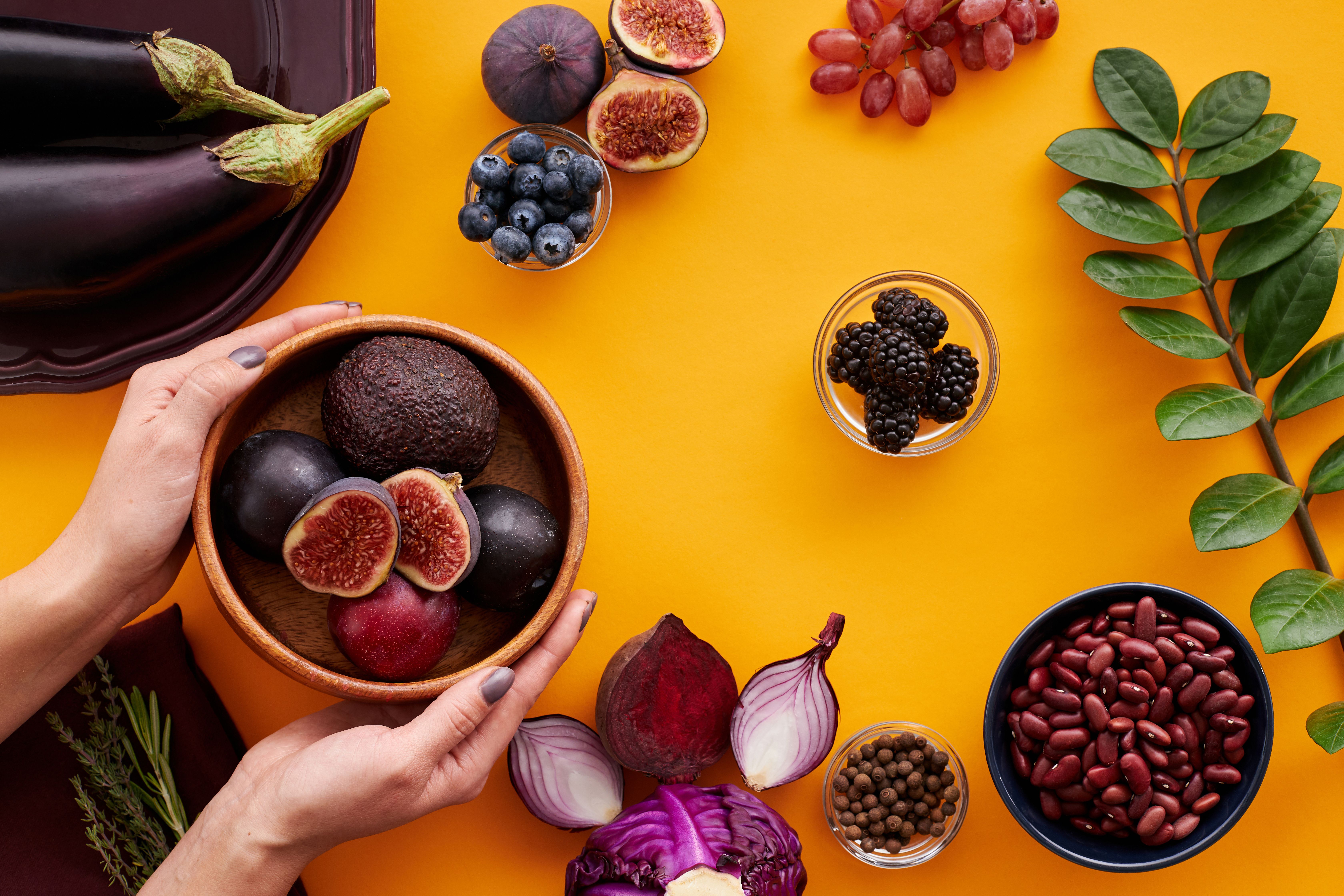
Let me give you the straight list. The foods that show up again and again in research on brain health, memory, and focus are pretty simple: leafy greens (like spinach and kale), fatty fish (such as salmon), nuts and seeds, berries, dark chocolate, green tea, and olive oil. What makes one a “brain food”? It’s all about the tools they carry inside—nutrients that directly support brain function, blood flow, protect against memory loss, or lower inflammation. For example, omega-3 fatty acids in fatty fish can help rebuild brain cells and even protect the brain from damage. Leafy greens are loaded with vitamin K and antioxidants, which protect against cognitive decline. Honestly, I had no idea that making a salad could be just as important as remembering to take my vitamins. The bottom line: the food you put on your plate can help your memory, mood, and long-term brain health, especially if you put it there most days.
Table: Comparing Key Foods That Boost Memory and Concentration—Nutrients, Habits, and Practical Tips
Food |
Key Nutrients |
Research Notes |
Simple Serving Ideas |
|---|---|---|---|
Salmon (Fatty Fish) |
Omega-3 fatty acids |
Supports brain health, memory, and focus; research suggests links to slower cognitive decline |
Bake with olive oil and lemon, add to salads, or make salmon patties |
Leafy Greens (Spinach, Kale) |
Vitamin K, antioxidants, lutein |
Linked to better memory and slower age-related cognitive decline |
Add to smoothies, toss in morning omelets, or pile onto sandwiches |
Dark Chocolate |
Cocoa flavonoids, antioxidants |
Improves blood flow, supports brain function, and mood |
Enjoy a square after lunch, add to oatmeal, or stir into yogurt |
Nuts & Seeds (Walnuts, Almonds, Flaxseeds) |
Vitamin E, healthy fats, omega-3 fatty acids |
Linked to better cognitive function and lower risk of memory loss |
Snack by the handful, sprinkle on salads, or blend into smoothies |
Green Tea |
Antioxidants (polyphenols) |
Improves alertness, gentle energy, possible support for long-term memory |
Brew hot, serve iced with lemon, or add to your smoothie base |
Olive Oil |
Healthy fats, polyphenols |
Supports overall brain health and reduces inflammation |
Use in salad dressings, drizzle on veggies, or dip with bread |
Leafy Greens: The Unsung Hero for Brain Health and Memory
Types: spinach, kale, collard greens
Their role in improving memory, brain function, and fighting memory loss
I had no idea how simple it was to add a handful every day—my go-to morning smoothie trick
If I had to pick one food to add to your grocery list for brain health, it’d be leafy greens. Spinach, kale, and collard greens have become my go-to, especially after reading research connecting these to slower memory loss as we age. They’re loaded with vitamin K, which seems key for brain function, not just bone health. Antioxidants in leafy greens help mop up “free radicals”—unstable molecules that can damage brain cells and contribute to cognitive decline. I had no idea how easy it was to sneak more in: I throw a handful into my morning smoothie or scramble them into eggs. Even if you’re not wild about salads, you can stir greens into soups or wrap them with other veggies for lunch. These simple habits make a real difference, and after seeing my brother’s sharpness return a bit, I wish we’d started earlier. For middle-aged and senior citizens, a little spinach every day feels like a small bet with a big upside.
Fatty Fish: Omega-3s for Brain Heal and Focus
Examples: salmon, sardines, mackerel
What omega-3s do for brain function and why middle-aged and senior citizens tend to fall behind
Simple ways to work fatty fish into weekly meals
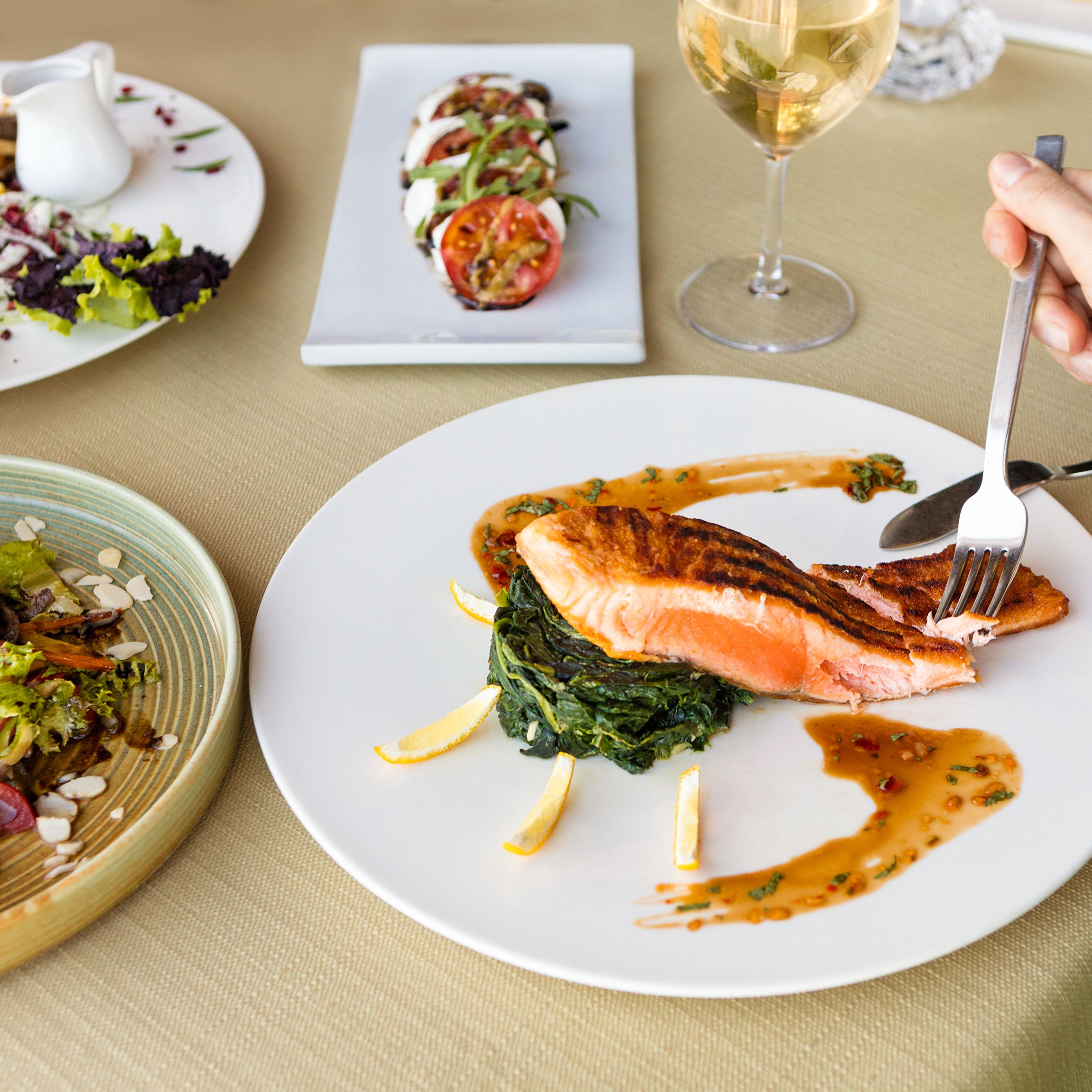
When I first heard about fatty fish being “good for your brain,” I thought it was just another health fad. I had no idea how solid the evidence is for omega-3 fatty acids—especially DHA and EPA, the building blocks your brain cells need to stay healthy. As we age, our levels of these critical fatty acids can drop, especially if we don’t eat much seafood. This matters, because omega-3s support cell membranes, help blood flow, and may even reduce the kind of inflammation linked to memory loss. I started grilling salmon a couple times a week or stirring canned sardines into tomato sauce. Pretty soon, my afternoons felt less cloudy, and my brother, who could barely remember his doctor’s phone number after his stroke, started making jokes again. Is fish a magic trick? No, but steady habits seem to matter a lot.
Dark Chocolate: A Tasty Boost for Memory and Concentration
The case for cocoa flavonoids in dark chocolate—and how much is actually useful
My honest take after testing the afternoon square vs. the nightly dessert habit
If eating chocolate helps my brain function, then count me in. But, as always, not all chocolate is created equal. The helpful stuff comes from dark chocolate, which is packed with cocoa flavonoids—natural compounds that improve blood flow and may help memory and focus. The key is moderation: research suggests just a square or two of 70% dark chocolate can do the trick. Eating half a bar (as I tried during my “let’s really test this” phase) doesn’t help your brain or your waistline. What I found works best is an afternoon square, which lifts my mood and helps me get through the sleepy part of the day. I had no idea how much better it felt than a sugar-heavy dessert at night, which just left me tossing in bed. If you’re looking for an easy brain food swap, reach for a little dark chocolate—after lunch, not before sleep.
Nuts and Seeds: Tiny Packages for Brain Health
Types: walnuts, almonds, pumpkin seeds, flaxseeds
Rich in vitamin E and key fatty acids for memory and focus
Snack ideas I stole from my own kitchen after years of boring trail mix
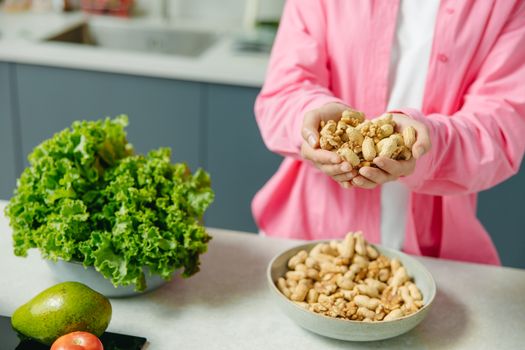
Nuts and seeds are the unsung heroes of my pantry. I had no idea until these last few years that walnuts (top of the pile for omega-3 fat), almonds, pumpkin seeds, and flaxseeds are loaded with vitamin E. Vitamin E is important for protecting brain cells from the kind of long-term wear and tear that leads to memory loss. What’s more, the healthy fats in these snacks help support brain function, fighting the sluggishness that makes you feel tired by mid-afternoon. I used to eat the same bland trail mix every day. Now, I reach for a bowl of walnuts and almonds, sprinkle flaxseeds into oatmeal, and toss pumpkin seeds on salads. No big preparation needed; just keep a jar in sight so you reach for it instead of cookies. Little shifts like this add up—and they’re one of the least expensive brain foods you’ll find.
Green Tea: Gentle Energy and Focus for the Long Haul
The science of green tea polyphenols for brain heal and concentration
A no-jitters alternative to strong coffee for middle-aged and senior citizens
Simple ways to enjoy green tea, from classic brewing to smoothie boosters
Green tea is my go-to on days when I need to focus but don’t want the jitters that come from strong coffee. The real benefit comes from polyphenols—natural plant compounds that can help protect the brain from damage, reduce inflammation, and even boost mood. Inasmuch as most brain food advice sounds the same, I had no idea how much swapping a cup of green tea for my old soda habit helped my energy stay steady through the day. You can brew it classic style or toss a green tea bag into your smoothie. For those sensitive to caffeine (like many middle-aged and senior citizens), green tea gives a lighter, cleaner boost. Over time, this gentle approach to energy helps your concentration without robbing you of sleep at night.
Olive Oil: Fat for a Healthy Brain
Role of olive oil in the Mediterranean style of eating and support for brain health
Basic swaps to make olive oil a daily habit
Olive oil is the backbone of the Mediterranean diet, which is famously good for the brain. This golden, healthy fat is full of polyphenols (plant nutrients) that protect brain cells, support blood flow, and fight the kind of inflammation that’s tied to memory decline. I swapped out vegetable oil and margarine for extra-virgin olive oil in everything from salad dressings to roasting veggies. I had no idea that such a simple daily change could bring this much flavor and support to brain health. Instead of buttering bread, dip it in a little olive oil with herbs. Keep a bottle on the kitchen counter to remind yourself to use it first. Small swaps, easy improvement.
Fruits for Brain Health: Berries, Oranges, and Seasonal Favorites
Why berries (blueberries, strawberries) pop up in brain food lists and the role of antioxidants
Lesser known fruits: oranges, avocados, bananas—and my honest results trying to add them in
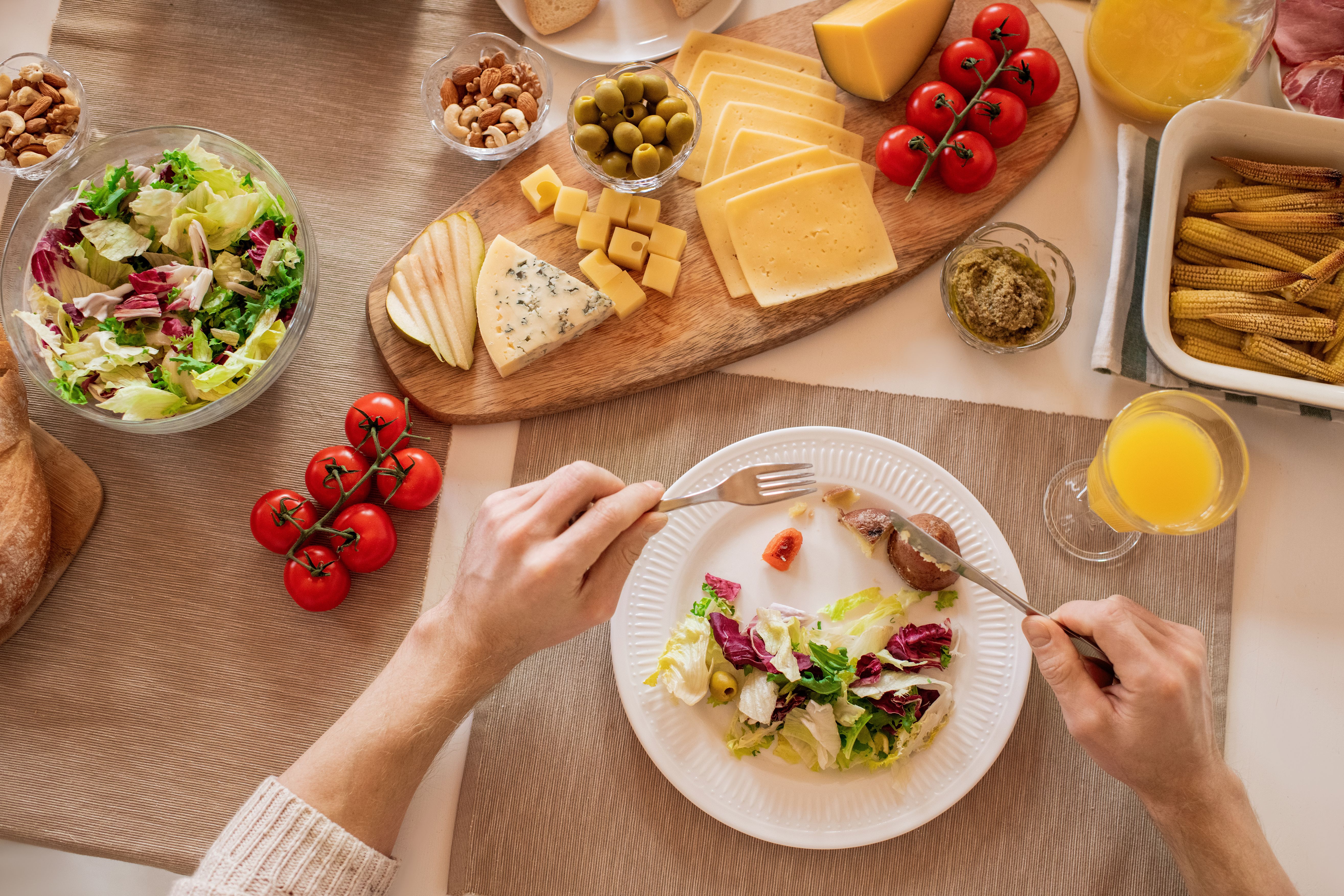
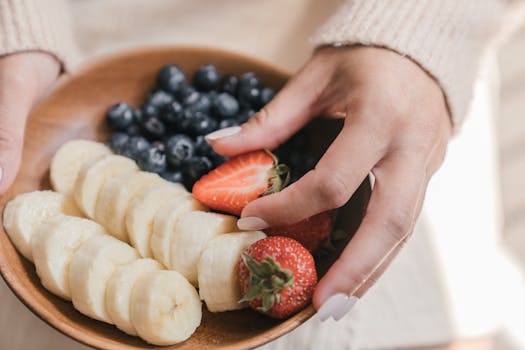
Berries always make the “brain food” lists for a reason. Blueberries and strawberries pack an antioxidant punch, meaning they help clear out those pesky free radicals that can damage brain cells and speed up cognitive decline. I had no idea how much a handful of berries with breakfast changed my energy and focus. Other fruits like oranges (full of vitamin C), avocados (with healthy fat), and bananas (rich in potassium) work behind the scenes to support blood flow, healthy brain cells, and mood. Middle-aged and senior citizens sometimes get stuck in a fruit rut—apples and nothing else. My honest tip: try swapping in berries a few times a week, and mix in orange segments or avocado slices with your lunch. These small changes made everything from memory to my afternoon slump feel less daunting.
Is Coffee Good or Bad for Memory and Focus?
"What in the world are we supposed to believe about coffee—good, bad, or does it really depend?"
Balanced look at coffee: the pros (alertness, focus) and cons (jitters, sleep, individual reactions)
Honest guidance for middle-aged and senior citizens on experimenting safely with caffeine
Coffee is a true double-edged sword. On the one hand, moderate coffee intake can help with alertness and memory in the short term. Many middle-aged and senior citizens rely on their morning cup to get moving. But I had no idea until my bedtime started slipping how much afternoon coffee can mess with sleep—something the brain needs to process and store memories. If you feel jittery, anxious, or can’t fall asleep at night, try replacing some cups with green tea or plain water. The lesson from years of testing: listen to your own body, take it slow, and remember that too much of any “good thing” can nudge you off course.
What About Supplements for Brain Function and Memory?
My own experiment with common supplement promises and why food still comes first
When supplements might help—and when they’re more likely to waste money
Inasmuch as the supplement aisle promises a “brain boost” in every bottle, I haven’t found any shortcut that comes close to what real foods do over time. I had no idea until I tracked it that most of the popular brain supplements didn’t outshine a simple upgrade in diet. If you eat a healthy, varied diet, you may not need any pills. That said, if your doctor finds a specific deficiency (like B12 or vitamin D), a targeted supplement can help. My honest advice: spend your time and money on real food first. Fill in the gaps only if you and your doctor spot a real need.
Foods to Watch Out For: What Hurts Brain Health and Memory?
Where memory loss and brain heal run into trouble: processed foods, high sugar, alcohol
Simple swaps to squeeze the lemon without feeling deprived
The toughest lesson after my brother’s stroke? What you don’t eat matters too. Highly processed foods, sugary snacks, and too much alcohol are trouble for brain health. In the long run, these foods can speed up cognitive decline and slow recovery from memory loss. I had no idea how much better I’d feel after swapping soda for green tea or water, or trading candy bars for a piece of dark chocolate or a banana. You don’t have to cut out every treat. But try shaving off one or two less-healthy options each week and replace them with something good for the brain. Over time, these small swaps let you squeeze more out of life, not feel deprived.
Step-through video showing an easy daily plan, from breakfast leafy greens to a dinnertime fatty fish meal
Watch how I put together a no-fuss day of brain foods—from a spinach omelet at breakfast to a salmon salad at dinner—perfect for middle-aged and senior citizens looking to stay sharp and energetic.
Everyday Brain Food Habits: Making Foods That Boost Memory and Concentration Stick
How to avoid memory loss and keep brain function steady: The small daily shifts I trust most after seven years of trial and error
Tips: batch prepping greens, snacking on nuts, keeping olive oil ready, swapping tea for soda
After years of reading, testing, and swapping stories with other middle-aged and senior citizens, one lesson keeps coming up: consistency beats perfection. You don’t need to become a chef or nutritionist to start seeing benefits from brain food. Batch prep your leafy greens once a week to toss in eggs or sandwiches. Keep nuts and seeds within easy reach for snacks, and always have a fresh bottle of olive oil on hand for cooking and dressings. If soda or sugary drinks are still a habit, try switching out just one for green tea or sparkling water with a squeeze of lemon. Over time, these steady, small changes add up—helping protect the brain, support memory, and give you more days with a clear head. My friends are sometimes shocked to realize that all this comes without fancy supplements or diets—just honest food and a little intention.
Quote from Dr. Caroline Leaf, Cognitive Neuroscientist
"The best defense for brain health is a pattern of consistent, balanced nutrition—no single food is magic, but daily choices add up."
Lists: Simple Food Swaps for Boosted Concentration and Memory
Swap soda for green tea or water with a squeeze of lemon.
Use olive oil in place of margarine or vegetable oil.
Choose whole fruits like berries over packaged sweets.
Sneak leafy greens into morning eggs or smoothies.
Keep a jar of mixed nuts nearby for easy, healthy snacking.
People Also Ask: Popular Questions About Foods That Boost Memory and Concentration
What are the 5 best foods for memory?
Salmon (fatty fish), leafy greens, walnuts, blueberries, and dark chocolate—as backed by research and practical experience.
How can I sharpen my memory naturally?
Combine a diet rich in foods that boost memory and concentration, consistent physical movement, and regular sleep. For me, that meant walking, swapping in more greens, and adjusting my bedtime routine.
What to drink for brain memory?
Best evidence points to water, green tea, and, for many, black coffee—though moderation and listening to your own body are key.
What are the top 3 foods linked to dementia?
Highly processed meats, sugary drinks, and foods heavy in trans fats are often linked to worse outcomes in memory and focus—I've learned to give them a wide berth.
FAQs: More on Foods That Boost Memory and Concentration
Do I need to eat all brain foods every day to see results?
No, you don’t need to eat every brain food daily. Consistency matters more than perfection. Rotate a few choices into each week, and remember: little changes work over time, not overnight.Are there simple ways to cook these foods if I don't like to cook?
Absolutely. You can toss leafy greens in a smoothie, snack on raw nuts, eat canned salmon, or drizzle olive oil over veggies. Quick and no fuss wins the race here.Is there any risk to adding more of these foods to my diet?
For most middle-aged and senior citizens, these foods are safe as long as you’re not allergic or on a special, doctor-recommended plan. If you’re unsure, run changes by your health provider.How quickly might I notice a difference after making changes?
Some folks notice small changes in energy and focus within a week or two. The bigger benefits—like supporting memory and brain function—stack up with long-term, steady habits.
Key Takeaways: Staying Sharp with Foods That Boost Memory and Concentration
Little changes add up—consistency beats perfection
Start with what feels easiest: maybe a daily green tea or tossing nuts in your bag
The sooner you start, the longer you get to burn the candle
Aging turns out to be opportunity if you squeeze the lemon
Next Steps: Getting Back in the Game with Foods That Boost Memory and Concentration
Discover the simple daily system that keeps your mind sharp, your energy strong, and your future wide open. Your brain doesn't have to slow down with age! Get the free ebook: https://link.bramify.com/preview/EzLh7Da74Dkhi7xxUwst




Write A Comment